
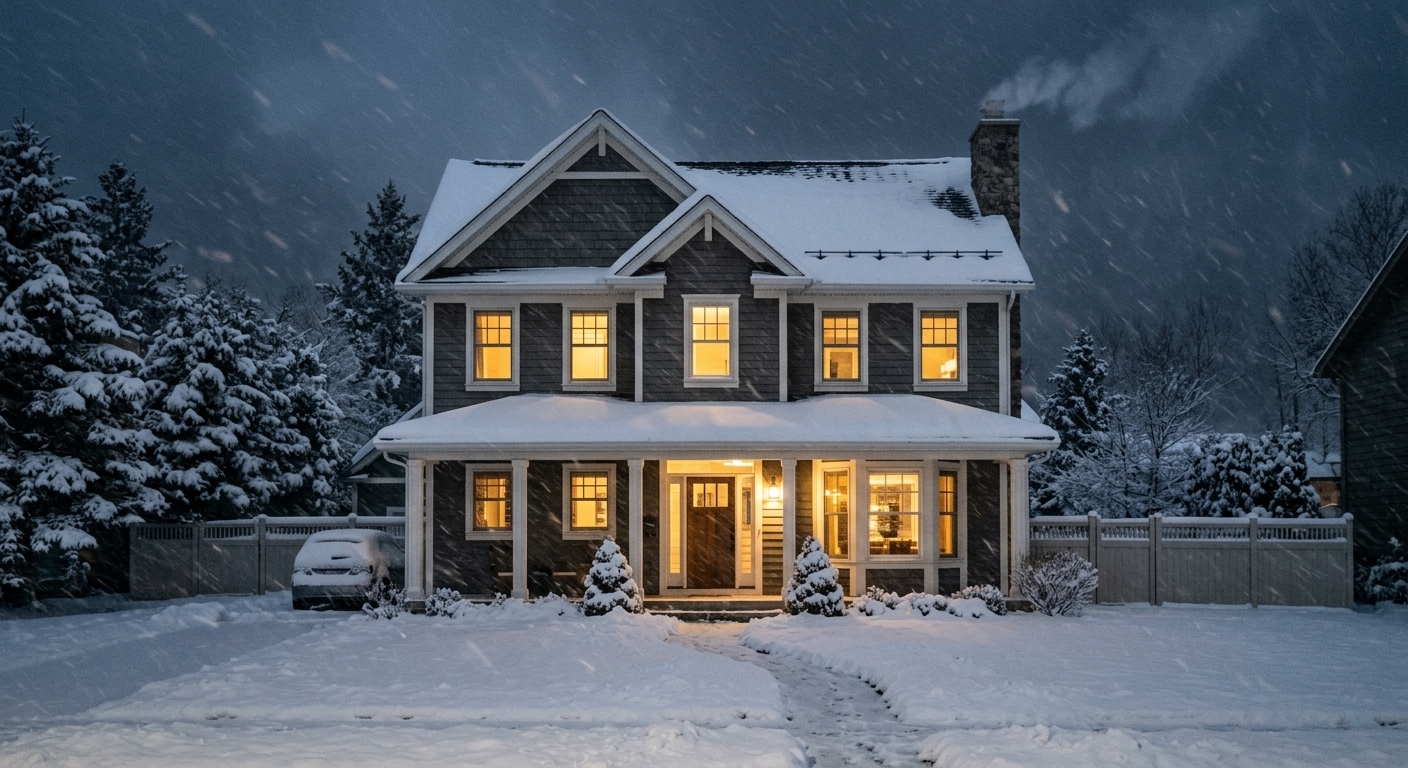
Every year around early October, a familiar autumn ritual plays out across the neighborhood. The crisp air settles in, leaves put on a brilliant light show, and homeowners everywhere break out the pumpkin spice, break out the cozy sweaters, and completely ignore the slow-motion disaster brewing on their roofs.
Look, we get it. Nobody wakes up on a gorgeous October morning gasping, “Gosh, I can’t wait to inspect my roof flashing!” But as any seasoned home inspector will tell you, Jack Frost isn’t just nipping at your nose. He’s looking for every tiny, unsealed gap in your home so he can break in and wreak thousand-dollar havoc on your wallet.
Before you fire up the hearth and settle in for sweater season, take a look at these seven hidden home vulnerabilities that cold weather loves to exploit and how to stop them in their tracks.
1. The Roof and Gutter Defense Line
Think of your gutters as your home’s primary defense system against liquid chaos.
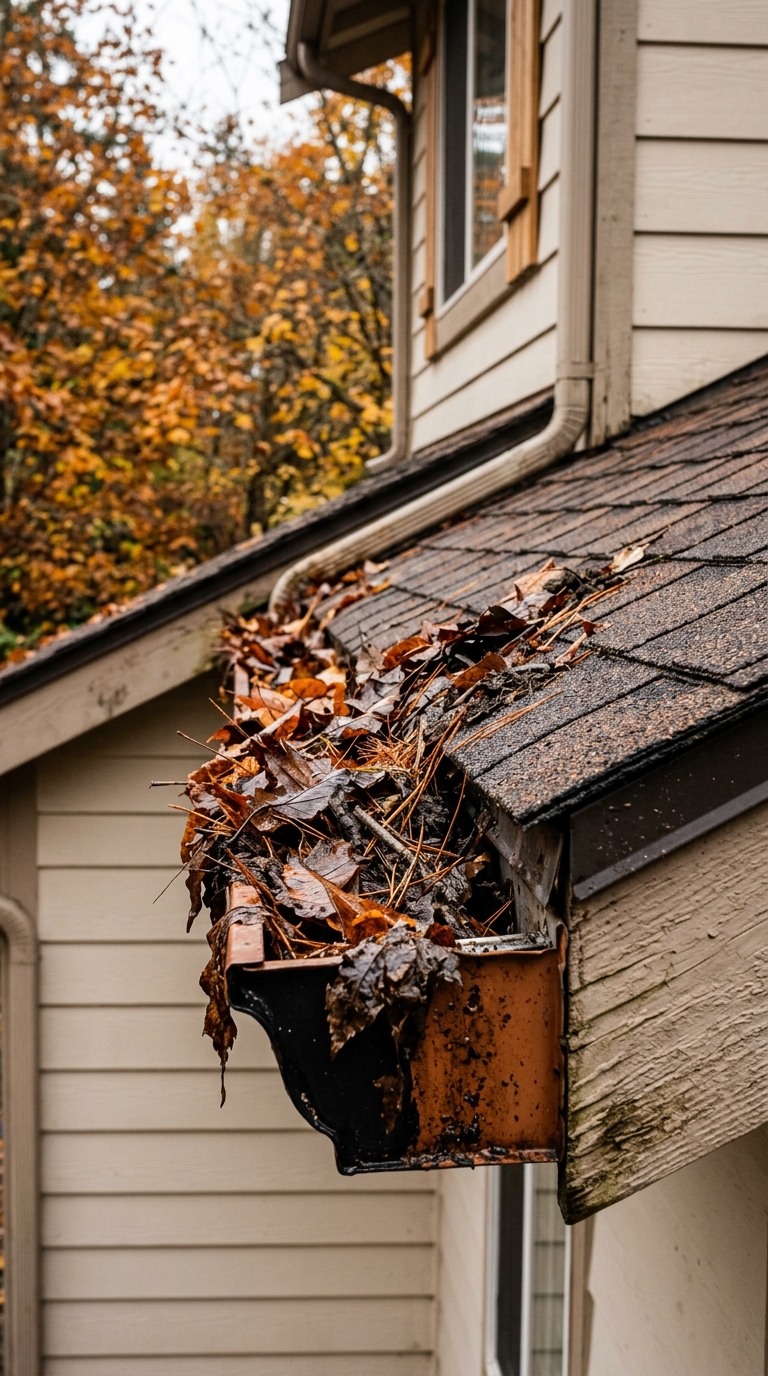
Over the summer and early fall, gutters turn into prime real estate for leaves, twigs, and forgotten tennis balls.
When winter hits, blocked gutters trap water. That water freezes, expands, and turns into heavy ice dams that rip gutters right off the fascia board or force water backward under your shingles.
The Fix: Scoop out the organic soup before freezing temperatures arrive. While you’re up there (or safely looking through binoculars), check the flashing around chimneys and skylights. And make sure your downspouts discharge at least 3 to 5 feet away from your foundation.
2. Heating Systems: Waking Up the Heat Beast
Your HVAC system has spent the last few months working hard on “cool.” Switching it over to “heat” for the first time isn’t just flipping a thermostat switch. You’re waking up a system that’s been collecting dust all summer. You don’t want to breathe that or make the system work harder all through the fall and winter..
The Fix: Before you make the official switch, swap out your air filters so your system doesn’t choke on months of trapped dust. Turn the system on and verify that warm air is actually blowing from the vents.
If you have a fireplace or wood stove, don’t just light a creosote log and pray! Have a certified chimney sweep verify the flue is clear of buildup and bird nests. Try not to walk around singing “Chim Chim Cheree. A quick seasonal check prevents dangerous carbon monoxide issues and keeps your home warm without spiking your energy bill.
3. Drafts, Gaps, and Money Flying Out the Window
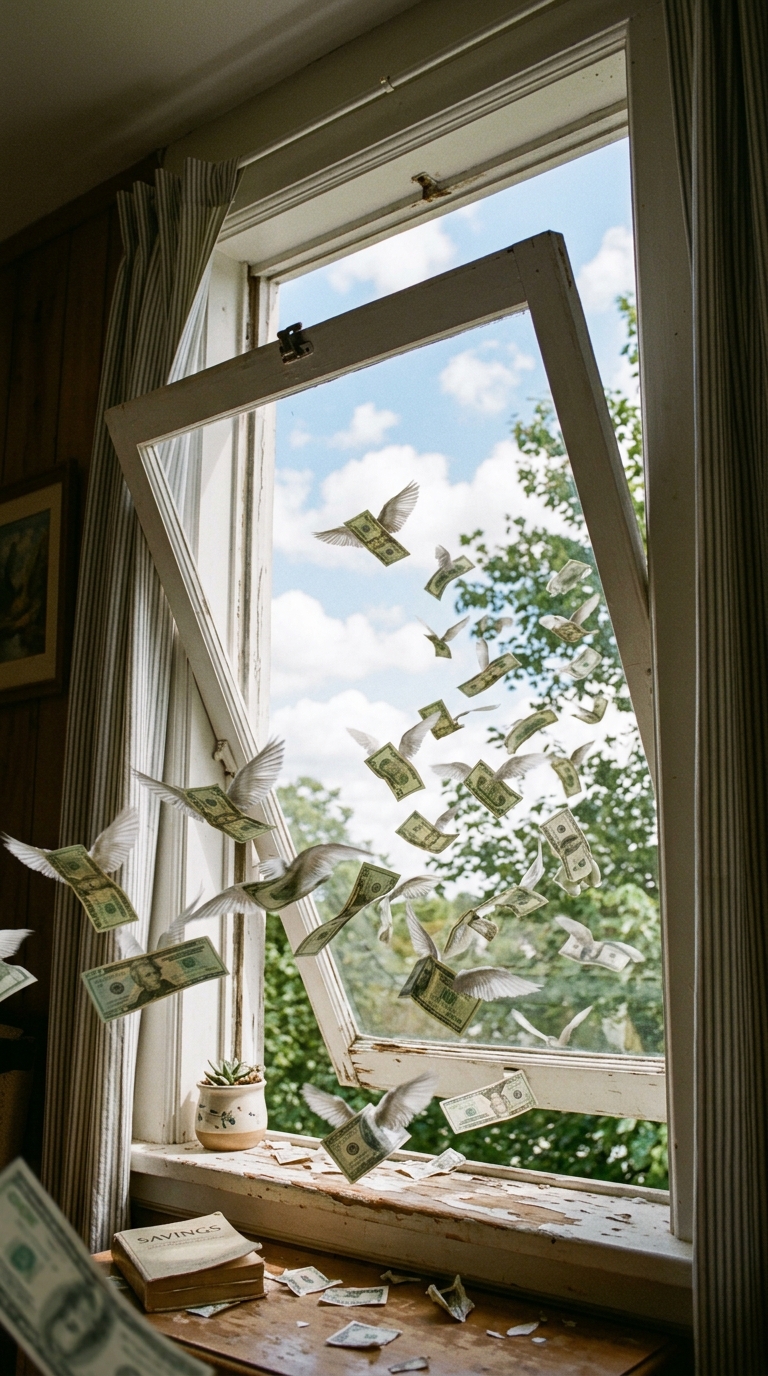
If you feel a chill every time you walk past a window, you aren’t being haunted by a Victorian ghost; you’re just paying to heat the neighborhood.
Tiny cracks around doors, window frames, and exterior wall penetrations acts like a giant vacuum for cold air to enter your home.
The Fix: Walk around on a breezy day with a lit incense stick or your hand. Where the smoke flickers, apply fresh exterior-grade caulk or replace worn-out weatherstripping.
4. Exterior and Foundation Seal-Up
Water is an insidious creature. It finds the smallest hairline crack in your concrete foundation or brick masonry, squeezes inside, and waits for a hard freeze. When water freezes, it expands by about 9%. That expansion acts like a slow-motion hydraulic jack, widening cracks and letting moisture seep into your basement.
The Fix: Tour your home’s exterior perimeter. Seal foundation hairline cracks with hydraulic cement or silicone masonry sealant, and ensure the soil slopes away from your foundation wall.
5. Plumbing and Outdoor Spigot Pitfalls
There are few middle-of-the-night surprises quite as exhilarating as a burst pipe raining through your living room ceiling. And almost always, the culprit was an innocent-looking garden hose left attached to an outdoor spigot during the first deep freeze.
The Fix: Disconnect and drain all garden hoses before freezing weather arrives. Shut off interior water valves leading to outdoor spigots, drain the lines, and wrap exposed pipes in basements, crawlspaces, or unheated garages with foam pipe insulation sleeves. While you’re at it, you can purchase really inexpensive styrofoam hose bib insulating covers at your local hardware or big box stores.
6. Crawlspaces and Basements: The Cold, Damp Truth
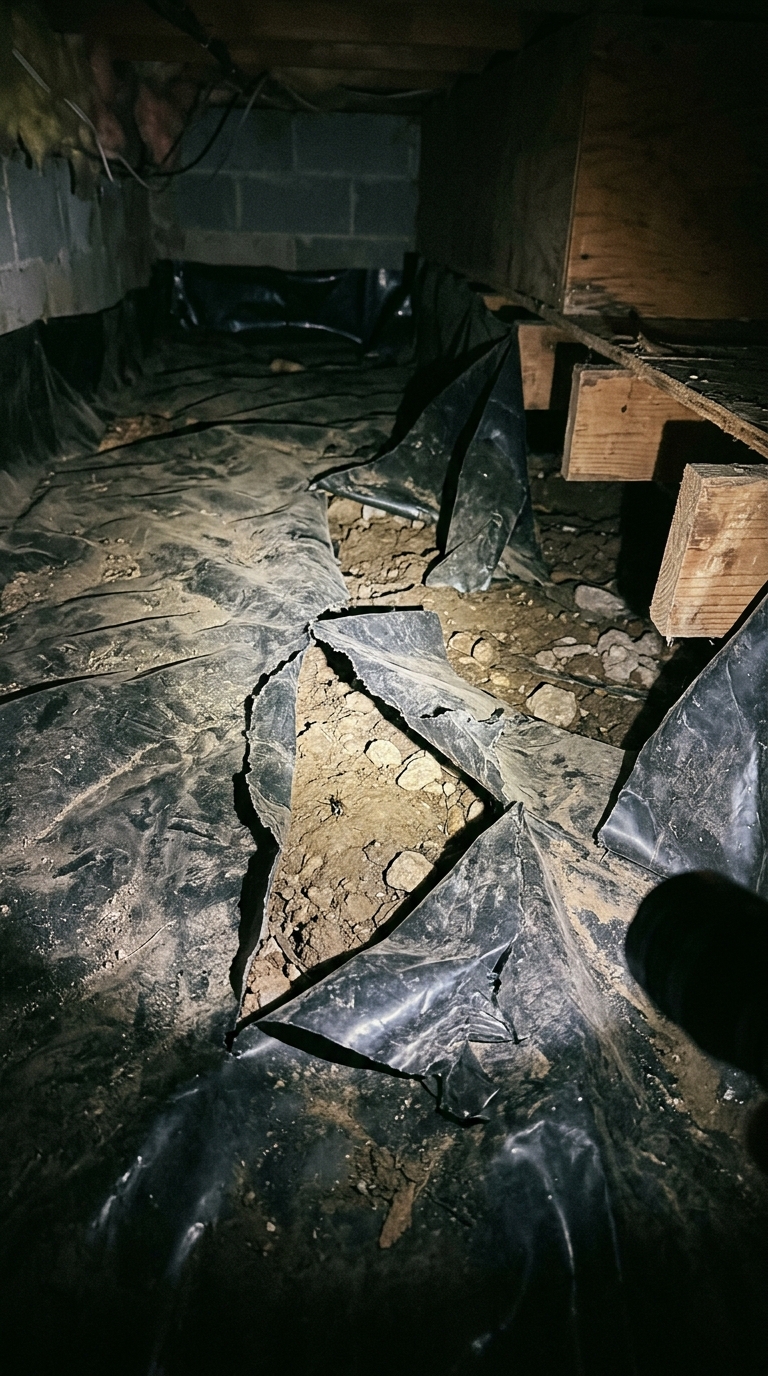
Out of sight, out of mind? Not when it comes to your crawlspace. High moisture levels down below can rot floor joists, ruin insulation, and feed toxic mold spores that circulate straight up into your living room air.
The Fix: Check your vapor barrier. If the ground is exposed or the plastic sheeting is torn, fix it. Test your sump pump by dumping a bucket of water into the pit to verify the float switch engages and the discharge pipe isn’t clogged or frozen outside.
7. Fire Safety and Indoor Environmental Checks
With doors and windows locked tight for months, indoor air quality and fire safety become top priorities. Furnace boots, space heaters, and holiday candles all increase fire hazards during late fall and winter.
The Fix: Test every smoke detector and carbon monoxide alarm in the house. Replace the batteries,even if they aren’t chirping at 3:00 AM, and check expiration dates on fire extinguishers.
Click here for a handy graphic checklist of these seven tips.
Don’t Wait for the Deep Freeze
A little proactive maintenance now saves you from frantically searching for an emergency plumber at 2:00 AM on a freezing Sunday morning. Take a weekend afternoon to walk through these seven critical check-points, or better yet, schedule a professional pre-winter home inspection to get total peace of mind before the wind howls and the snow flies.
Your home (and your bank account) will thank you all winter long!
Buying or selling a home in WNC?
Avoid unpleasant surprises! Contact Asheville Home Inspector Peter Young before signing any contracts. Call (828) 808-4980, or click here to make an appointment.
