
Mr. or Ms. Realtor: Your buyers have officially found “The One.” The layout is divine, the quartz counters are sparkling, and the home inspector just handed over a remarkably clean report. The roof is solid, the furnace is kicking, and there isn’t a single Federal Pacific panel in sight. Everyone is high-fiving. Offers are accepted, champagne is on ice, and closing day is set.
Fast forward three weeks post-closing.
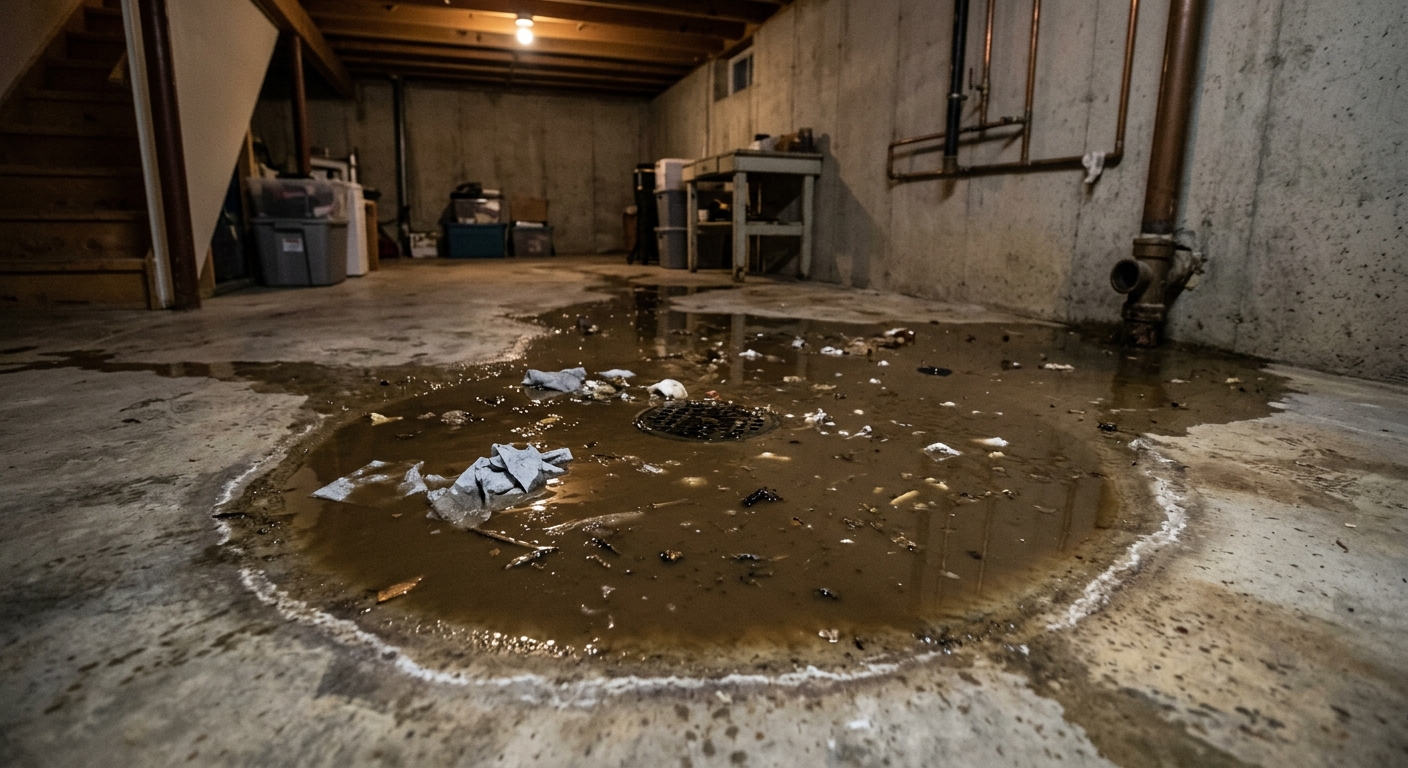
Your buyer turns on the washing machine, and suddenly, three decades of accumulated tree root debris and localized horror back up through the basement floor drain. Or maybe an autumn rainstorm rolls in, revealing that the mysterious “earthy” aroma in the lower level wasn’t one of Gwyneth Paltrow’s special scented candles. It was active, thriving mold growth.
Standard home inspections are fantastic, essential, and worth every penny. But a general inspection is designed to be a non-invasive, visual walkthrough of accessible areas. Inspectors don’t bring shovels, they don’t dig up the front yard, and they don’t tear down drywall to see what’s living behind it.
That’s where specialized, ancillary testing comes in. As an agent, knowing when to recommend these add-ons doesn’t make you an alarmist—it makes you a hero who saves clients from five-figure surprises. Here is how to navigate the “unsexy” side of home inspections with a smile.
1. The Main Sewer Line: Out of Sight, Out of Mind (Until It’s in the Cellar)
If there is one ancillary inspection that deserves a permanent spot as the unsung hero in your buyer-broker playbook, it’s the sewer scope!
- A sewer scope involves running a flexible camera down the main drain line from the house all the way to the municipal tap or septic tank. Why is this necessary? Because what happens underground stays underground. Until it doesn’t.
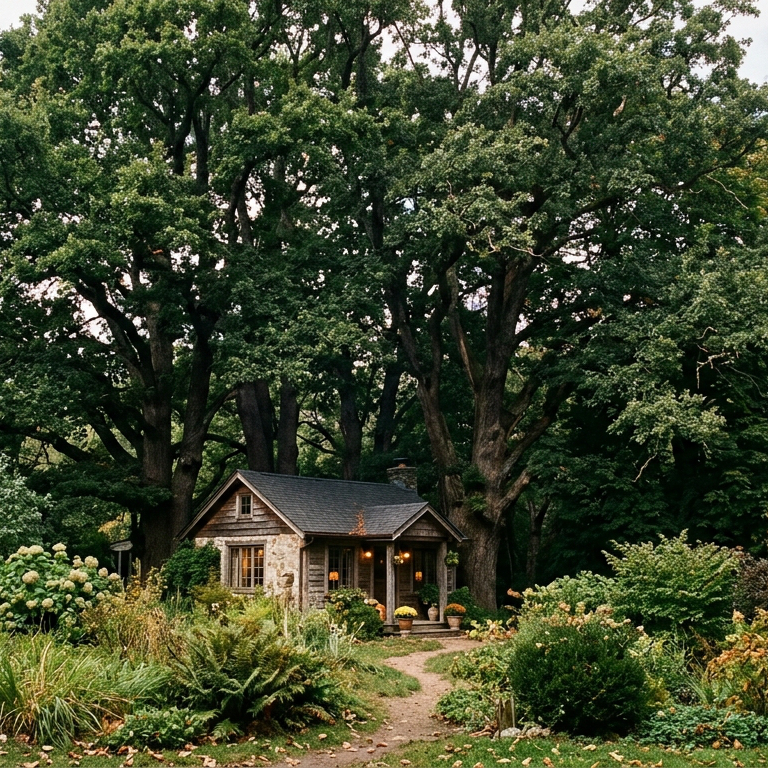
- The Mature Tree Trap: If a property has majestic, 60-year-old oak trees gracing the front yard, their root systems are actively seeking water. Clay or cast-iron pipes from mid-century homes are essentially all-you-can-drink buffets for aggressive tree roots.
- The “DIY Off-Grid” Special: In older homes, pipe materials can shift, belly (sag and collect debris), or completely collapse under settled soil. Replacing a crushed sewer line under a paved driveway can easily cost $5,000 to $15,000+.
Suggesting a $250 sewer scope on any home built before 1990 (or any home surrounded by big trees) is the ultimate insurance policy against a very smelly post-closing phone call.
2. Radon Gas: WNC’s Invisible Mountain Houseguest
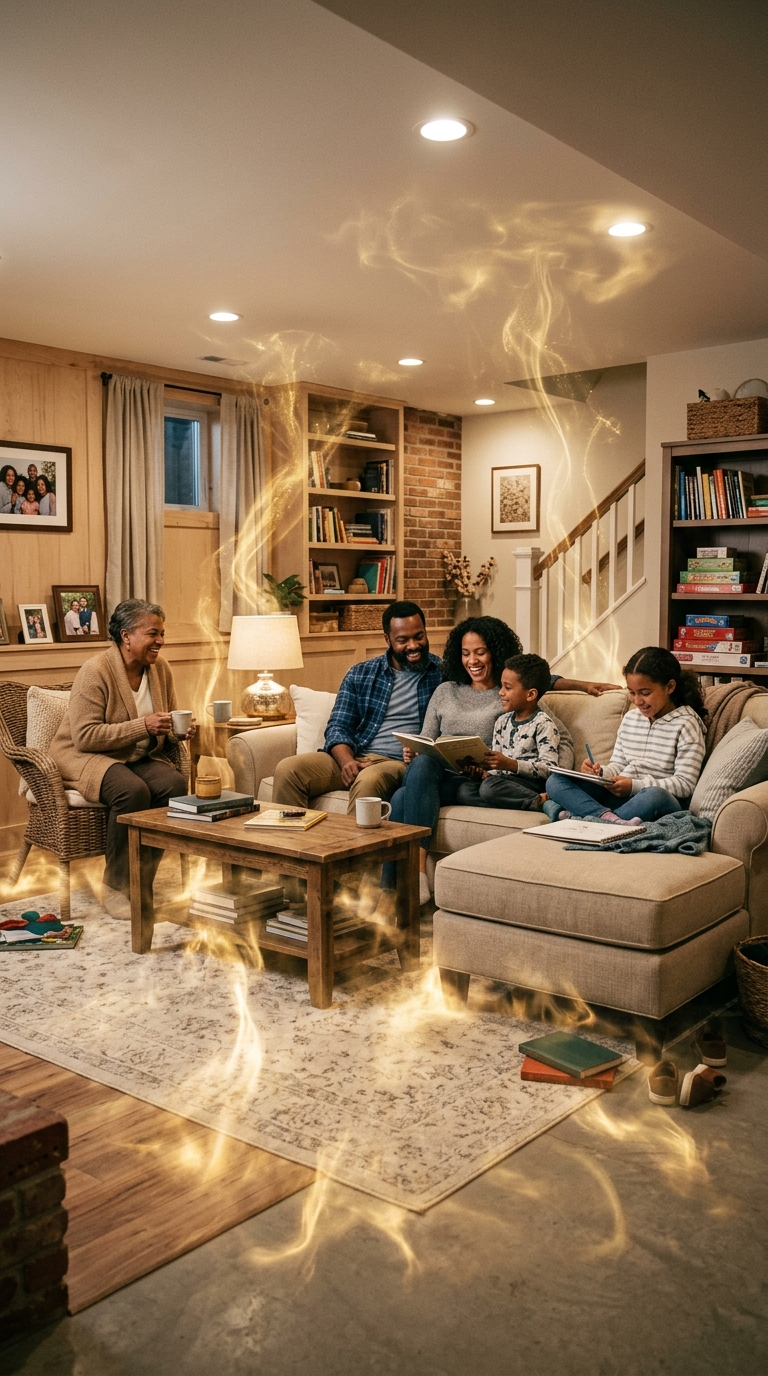
Radon is a naturally occurring radioactive gas produced by the natural decay of uranium in soil and rock. It moves up through the ground and seeps into homes through cracks in foundations, sump pumps, and floor joints.
You can’t see, taste, or smell radon, which makes it sound like something straight out of a sci-fi thriller.
If you are buying or selling real estate in Western North Carolina, this isn’t just a theoretical topic.
According to the North Carolina Department of Health and Human Services (NCDHHS) Radon Program, the granitic bedrock unique to the Appalachian mountain geology gives WNC some of the highest indoor radon potential in the entire state.
Counties like Buncombe, Henderson, Transylvania, Watauga, and Mitchell frequently record indoor radon levels well above the EPA’s action threshold of 4.0 pCi/L.
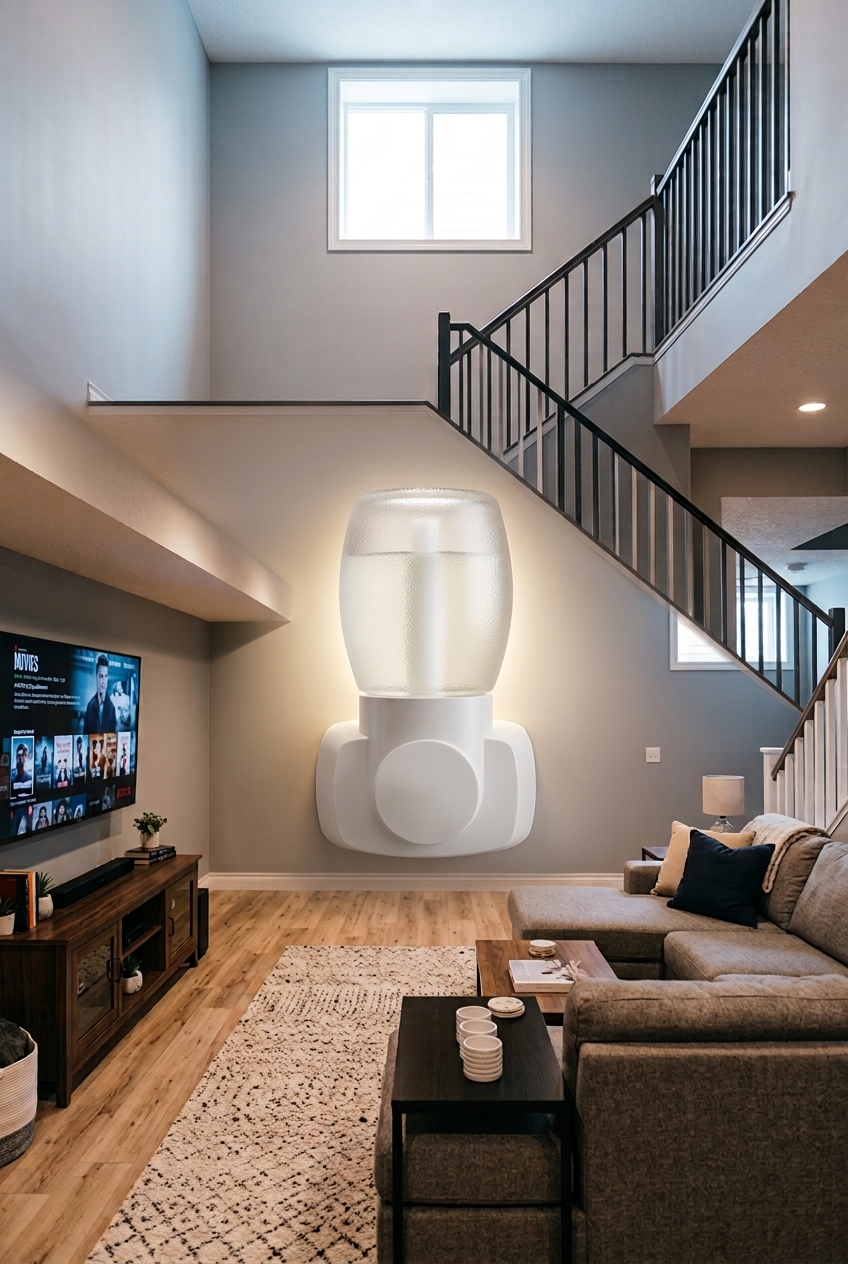
- Why Test? Radon is the leading cause of lung cancer among non-smokers. If a mountain home sits directly on exposed granite bedrock or features a cozy basement living space where the family plans to stream movies every weekend, a 48-hour continuous monitor test is a complete no-brainer.
- The Good News: If test results come back high, radon mitigation systems are surprisingly straightforward. A continuous active soil depressurization system (a vent pipe with an inline fan) usually costs around $1,200 to $2,000 to install—a repair cost that is routinely negotiated for seller credit during the due diligence period.
Mold & Air Quality: Following Your Nose (and the Humidity)
We’ve all walked into a home where the air feels just a little too “heavy.” Maybe there’s a slight lingering aroma of damp socks, or perhaps the home seller went overboard with plug-in air fresheners in every single corner of the lower level.
While minor surface mildew in a shower stall is normal maintenance, hidden toxic mold inside wall cavities or behind finished basement drywall is another story.
- When to Recommend Air Sampling: If there’s a visible history of prior flooding, damp drywall, sagging ceiling tiles, or an active sump pump system that looks like it’s been working overtime since 1982, air quality sampling is worth every cent.
- Protecting Sensitive Buyers: For clients with severe allergies, asthma, or young children, verifying that the indoor spore count isn’t wildly elevated provides peace of mind before they unpack a single box.
Framing Add-Ons Without Scaring Your Clients
Recommending extra tests doesn’t mean you’re trying to blow up your own transaction. Frame ancillary inspections as a proactive, smart investment:
“Because our local mountain geology has naturally high radon potential, I always recommend spending a few hundred bucks on a 48-hour monitor test so we know exactly what we’re dealing with.”
By guiding your clients through sewer scopes, radon monitors, and air testing, you aren’t just facilitating a sale. You’re proving that you have their backs long after the commission check clears. That’s how lifelong clients (and referrals) are made.
Buying or selling a home in WNC?
Avoid unpleasant surprises! Contact Asheville Home Inspector Peter Young before signing any contracts. Call (828) 808-4980, or click here to make an appointment.
