
Congratulations! You’ve signed a mountain of paperwork thick enough to stop a bullet, handed over a cashier’s check that made your eyes water, and received the keys to your new kingdom. You are officially a homeowner.
Naturally, you already knocked out the big stuff during negotiations. The seller fixed the leaky pipe, installed the missing GFCI outlets, and credited you for that sketchy circuit breaker. The major red alerts are taken care of, the ink is dry, and the keys are yours.
Once the celebratory pizza is eaten and the moving boxes start piling up, you’ll probably find yourself staring at your partner, or your cat, wondering: Now what?
As a homeowner, your relationship with your house changes overnight. In an apartment, when a faucet drips, you call the landlord. In your own home, when a faucet drips, you are the landlord.
Don’t panic. You already have the ultimate secret weapon for homeownership sitting in your email inbox: your home inspection report.
Most people treat their inspection report like a high school report card. They look at it once to negotiate during the contract phase, celebrate their repairs, and then bury it in a digital folder never to be seen again. That’s a massive waste of an incredible tool. That document isn’t just a negotiation tool; it’s a personalized instruction manual for the long-term health of your home.
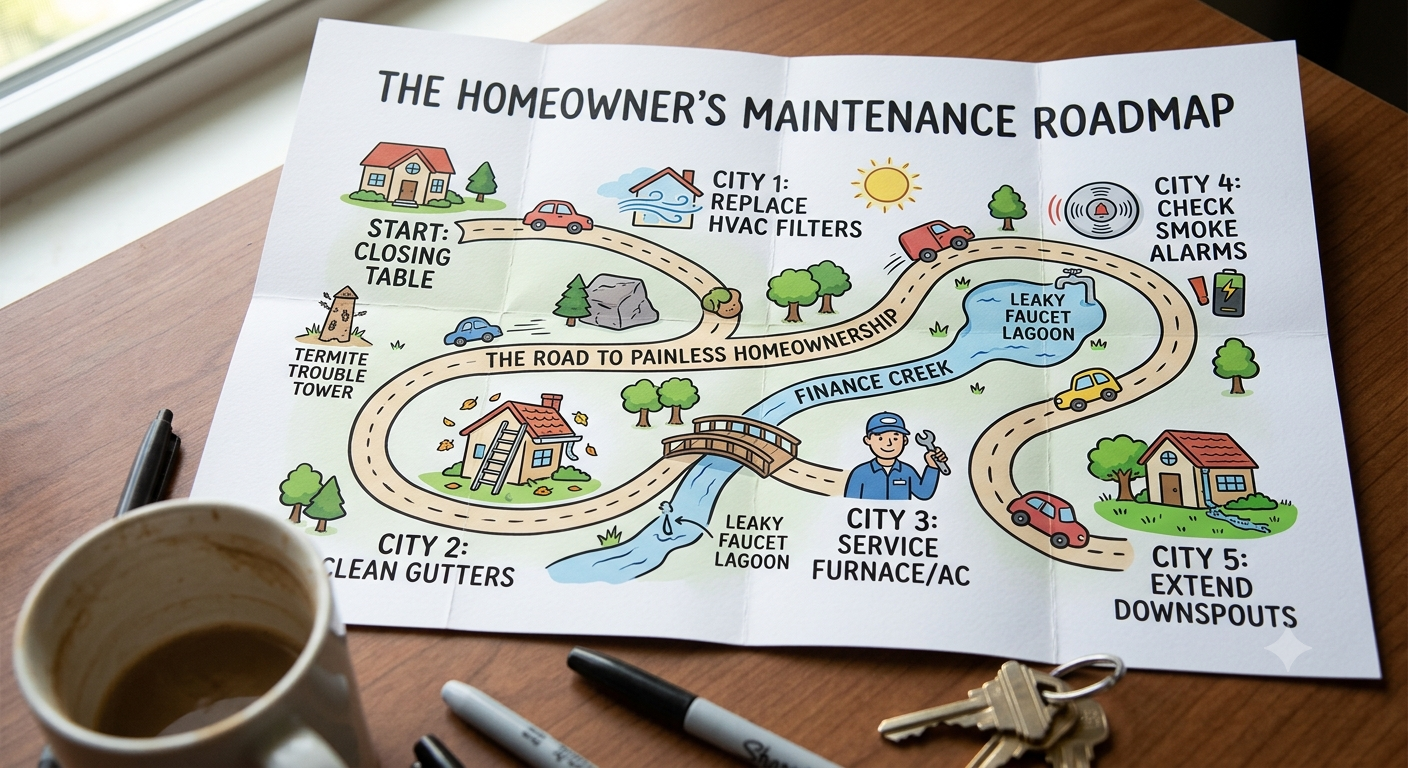
Here is how to resurrect that report and turn it into a practical, money-saving home maintenance roadmap.

Step 1: The Triage (Sorting What’s Left)
Now that the immediate safety hazards and deal-breakers are off the table, your report is filled with “maintenance items.” These aren’t emergencies, but if left ignored for three years, they will turn into emergencies.
Break the remaining items into two clear buckets:
- The Year-One Priority List:Non-emergency repairs or minor adjustments that protect your home from wear and tear. Think loose deck railings, a window that binds slightly in its frame, a missing splash block under a downspout, or worn weatherstripping around the front door.
- The “When I Get Around to It” List: Cosmetic imperfections, aged but perfectly functional appliances, or a hairline crack in a concrete walkway. These can comfortably wait until your bank account recovers from closing costs.
Step 2: Create a Seasonal Calendar
Houses are a bit like toddlers: they thrive on a predictable schedule, and if you ignore them for too long, they will make an expensive mess just to get your attention.
Take the non-urgent notes from your inspector and plot them onto a seasonal calendar.
- Spring: Re-read what the inspector said about your grading and gutters. Spring is the time to clear out dead leaves, check that downspouts extend at a few feet away from the house, and ensure the ground slopes away from your foundation. Water is the ultimate villain in homeownership; keep it away.
- Summer: Check the section on your HVAC system. Did the inspector note that the AC condenser fins were a bit dirty or that the insulation on the refrigerant line was decaying? Summer is the time to hose off that exterior unit, pop in a fresh air filter, and trim back overgrown bushes around the compressor.
- Autumn: Revisit the attic and roof sections. If the inspector mentioned minor roof flashing wear or tree branches touching the shingles, get those trimmed back before winter storms roll in.
- Winter: Look at the plumbing and draft notes. If there’s a pipe in an unheated garage or crawlspace that the inspector flagged as under-insulated, wrap it in foam before the first hard freeze.
Step 3: Map Out Your “Appliance Lifespan Clock”
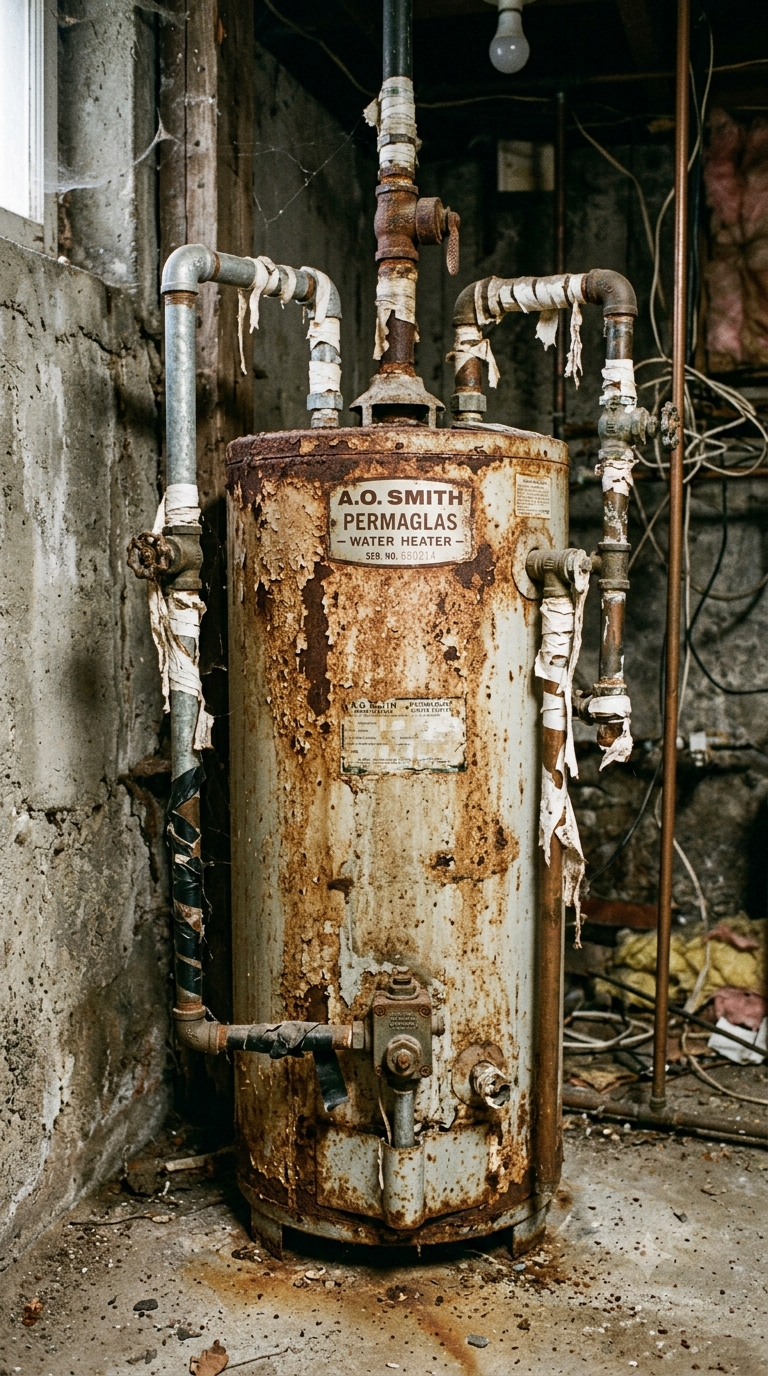
Every major system in your house has an expiration date. A great home inspection report doesn’t just look for leaks. It lists the approximate age and typical lifespan of your water heater and HVAC unit.
If your report noted that your water heater is 11 years old and operating on borrowed time, don’t wait for it to burst on Christmas Eve while you have guests over. Use that information to build a “Future Capital Expenses” fund.
Knowing that you’ll likely need to replace a $1,500 water heater or a furnace in the next two to three years allows you to save $50 a month now. That turns what would have been a middle-of-the-night panic into a calm, scheduled, routine replacement.
Step 4: Keep the Inspector’s Number)
Here is a little insider secret: most home inspectors actually love houses, and they love helping people understand them.
If you are standing in your garage six months from now staring at a mysterious blue lever near your main water line and scratching your head, pull out your report.
If the explanation in the text isn’t clicking, send your inspector a polite email with a quick photo.
A good inspector will gladly take two minutes to reply: “Oh, that’s just the shut-off valve for your exterior garden hose spigots.
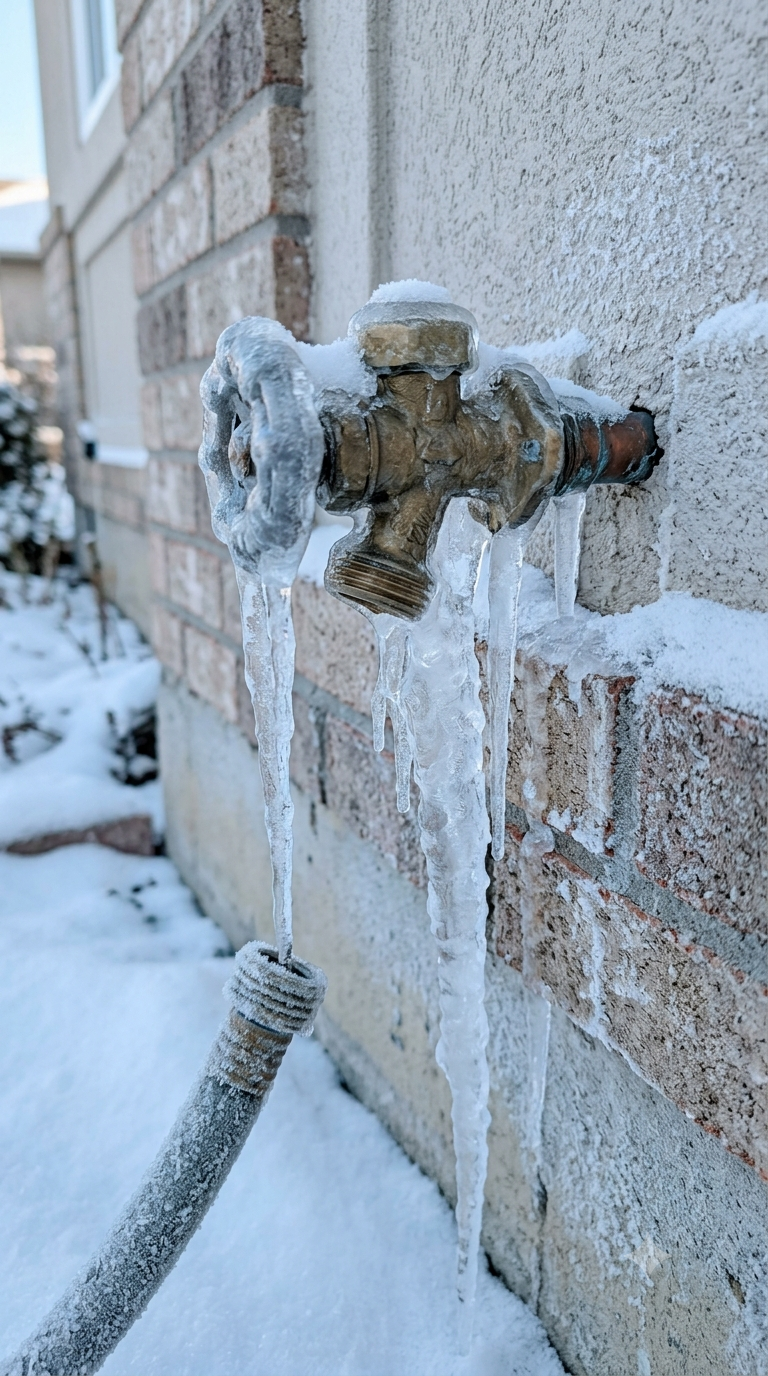
Make sure to turn that off before the first frost so your pipes don’t freeze.”
By sorting the remaining minor fixes, mapping out a seasonal maintenance routine, and budgeting for aging appliances before they give up the ghost on a holiday weekend, you turn that scary post-closing report into your ultimate cheat sheet for more manageable homeownership.
Once the ink is dry, don’t throw your 50-page inspection report into the digital abyss. Think of it as a personalized owner’s manual for your house—minus the existential dread.
Buying or Selling a Home in Western North Carolina?
Avoid unpleasant surprises! Contact Asheville Home Inspector Peter Young before signing any contracts. Call (828) 808-4980, or click here to make an appointment.
