
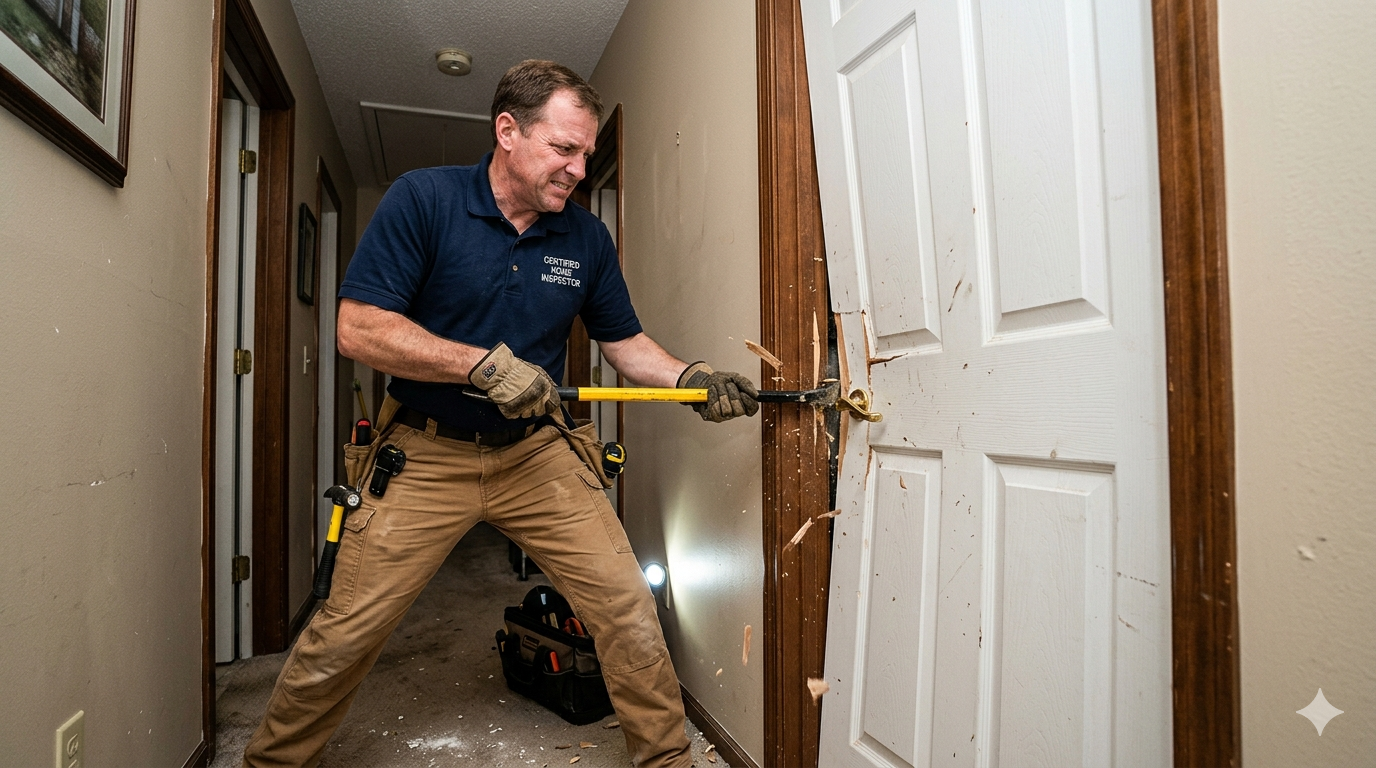
Greetings, Home Seller!
You’ve put the sign in the yard. You’ve scrubbed baseboards until your thumbs are numb. You’ve hidden the dog bowls, baked the obligatory “open house cookies” so the place smells like a bakery (instead of a wet poodle), and successfully survived the showing phase.
Then comes the text from your realtor: “The buyer’s home inspection is scheduled for Tuesday at 9:00 AM.”
Suddenly, you break out in a cold sweat.
For most sellers, the home inspection feels less like a standard real estate milestone and more like being sent to the principal’s office. You start worrying that the inspector is going to walk in with a magnifying glass, pull back a corner of the drywall, and reveal that your house is actually held together by ancient wallpaper and good intentions.
Take a deep breath. It’s going to be okay.
A home inspection isn’t a pass/fail exam, and the inspector isn’t your enemy. We are just a neutral party trying to paint an accurate picture of the house. However, as a seller, you have a massive amount of power over how smoothly that day goes. By doing a little prep work, you can help the inspector do their job efficiently, protect your sale, and keep minor annoyances from looking like major disasters.
Here is a handy, dandy, sanity-saving pre-inspection checklist to help your home pass with flying colors.
1) Clear the Runway

Imagine playing an intense game of hide-and-seek, except you’re wearing heavy boots, carrying a ladder, and trying to find a tiny hatch hidden behind a mountain of holiday decorations in a dark closet.
That is a day in the life of a home inspector.
If an inspector can’t get to something, they can’t inspect it. And when they can’t inspect it, they have to write a scary-sounding note in the report:
“Attic hatch inaccessible due to owner storage.” To a nervous buyer, that translates to: “The seller is hiding a family of raccoons or a massive roof leak up there.”
Before the inspector arrives, make sure there is a clear path to:
- The Attic Hatch: If it’s in a bedroom closet, move the clothes out of the way.
- The Crawlspace or Basement Door: Clear out the lawnmowers, spiders, and storage bins blocking the entryway.
- The Electrical Panel: Move the shelving or the workbench that’s blocking the door.
- HVAC Systems and Water Heaters: Where possible, give these units at least three feet of breathing room.
2) The Great Lightbulb Audit
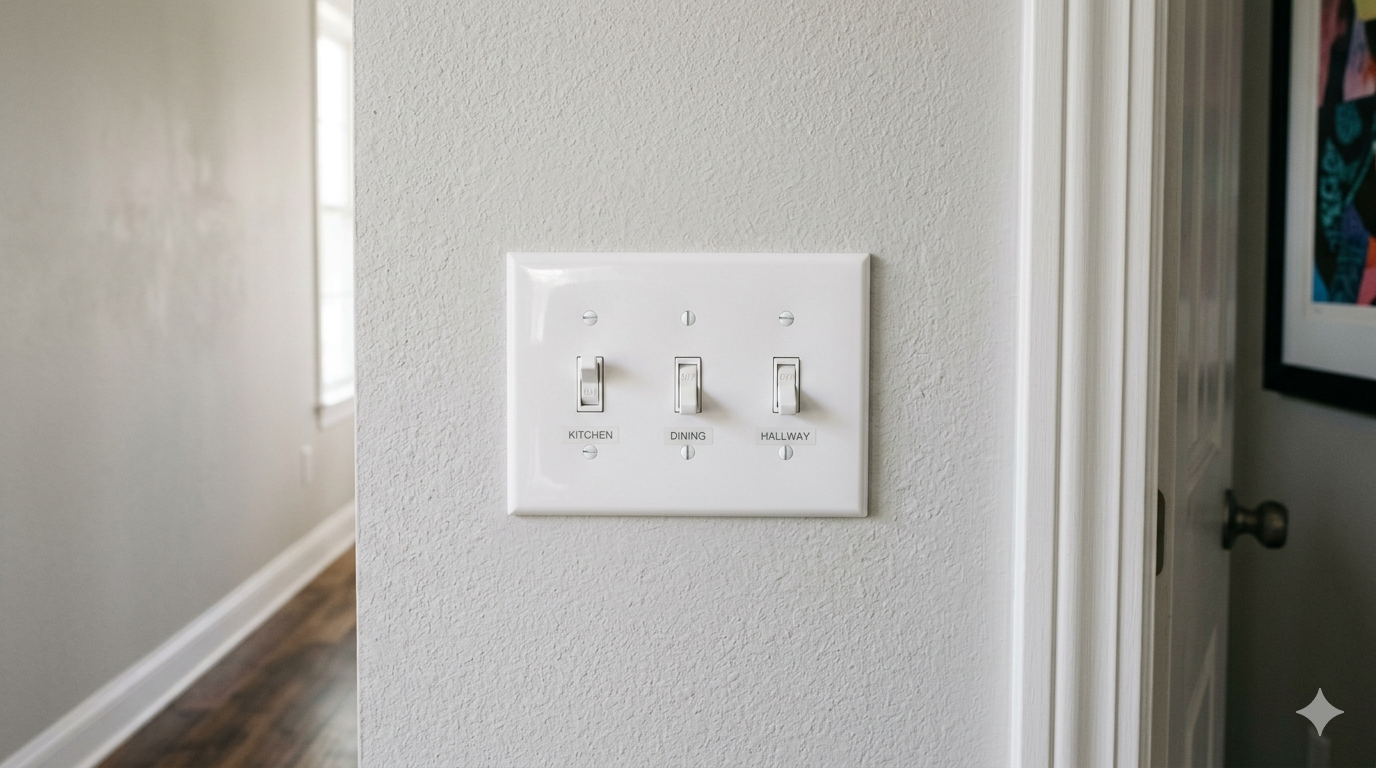
Here is a classic inspector dilemma:
The inspector flips a wall switch in the hallway. Nothing happens.
Is the fixture completely broken? Is the wiring faulty? Or is the bulb just dead?
Because the inspector can’t rewrite physics on the spot, they have to document the worst-case scenario for liability reasons: “Light fixture inoperative at time of inspection.”
When the buyer reads that, they picture thousands of dollars in electrical repairs, when all it really needed was a $3 bulb from the hardware store.
Go through your house with a box of fresh bulbs. Test every lamp, overhead light, closet fixture, and exterior floodlight. If it’s burned out, replace it. It takes ten minutes, but it eliminates a dozen tiny “defects” from muddying up your final report.
3) Unstick the Tricky Stuff
Every house has its little quirks. You know exactly how to jiggle the handle on the guest bathroom toilet to keep it from running. You know that door requires a specific karate-chop motion to open smoothly.
The inspector does not know your house’s secret handshakes.
If they encounter a window that is painted shut, a door that catches on the frame, or a lock that requires brute force, it goes on the list.
Take an afternoon to walk through your house like a stranger:
- Open and close every single window and door.
- Tighten loose doorknobs and cabinet hinges.
- Put a little WD-40 on sticky tracks and door hinges.
- Fix that running toilet. It’s probably an inexpensive rubber flapper that needs replacing.
By smoothing out these minor friction points, you give the impression of a house that has been meticulously maintained, rather than one that’s fraying at the edges.
Show Receipts
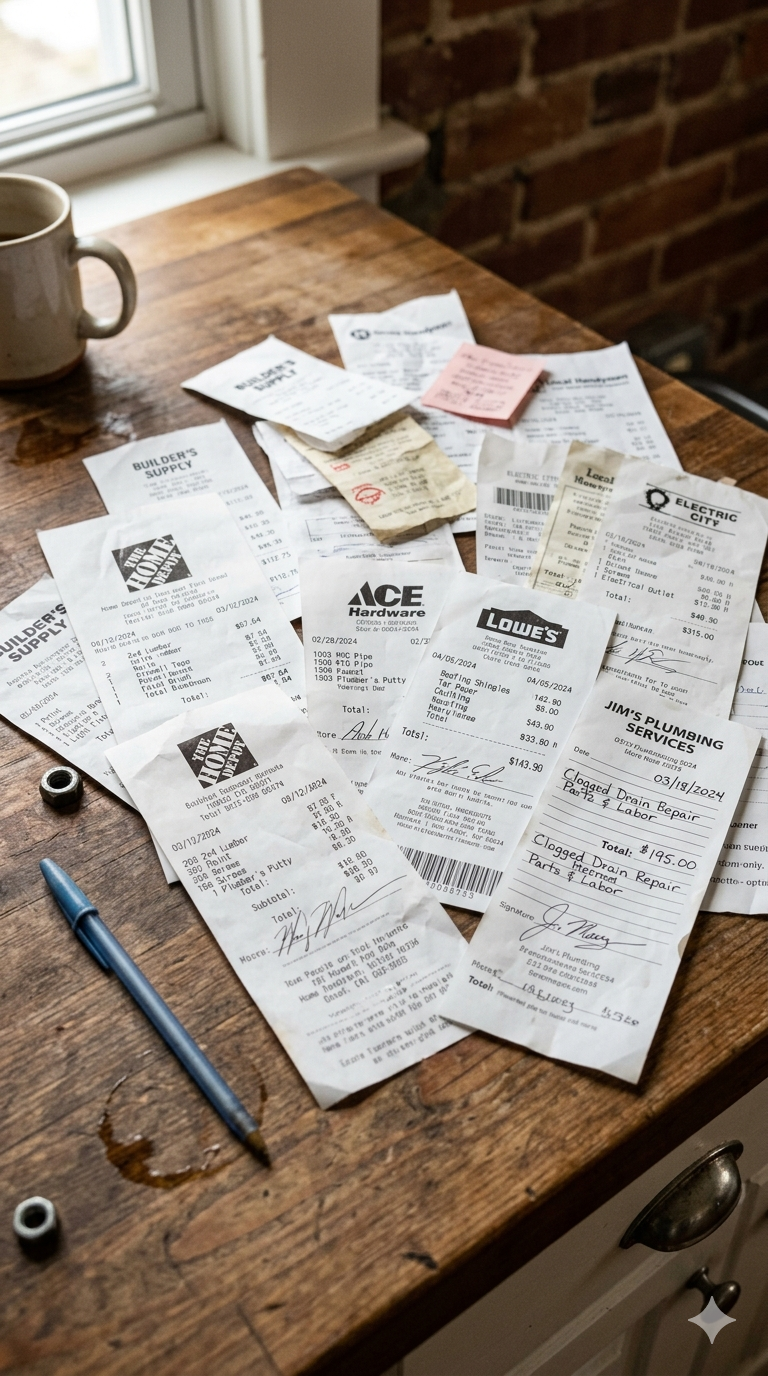
If you’ve done major work on the house recently, don’t keep it a secret!
Home inspectors love paperwork.
If you had the roof replaced in 2024, the HVAC serviced last month, or a structural pier installed three years ago, leave the receipts, warranties, and permits neatly organized on the kitchen counter.
Seeing documentation proves that when something went wrong, you handled it promptly. It immediately lowers the inspector’s guard and builds immense trust with the buyer.
5) The Golden Rule: Be Somewhere Else
The absolute best thing you can do on inspection day? Hit the road, Jack!
Take the dog to the groomer, take the kids to the playground, go see a movie. Just get out of there.
When sellers hover over an inspector, asking, “What did you find? Is that bad? Why are you taking a picture of that?” it slows down the process and creates unnecessary tension.
Trust your prep work, leave the house clean, make sure your pilot lights are on, and let the inspector do what they do best. By taking care of the small details ahead of time, you ensure the report focuses on the true health of your home, leaving everyone happy at the closing table.
Buying or selling a home in WNC?
Avoid unpleasant surprises! Contact Asheville Home Inspector Peter Young before signing any contracts. Call (828) 808-4980, or click here to make an appointment.
