
Photo by Lowe’s
Basements have a sketchy reputation. Things lurk down there: forgotten holiday decorations, that treadmill you swore you’d use, and (unfortunately) that dreaded musty smell that hints at water problems.
A wet basement is more than just an annoyance; it’s a structural liability, a potential health hazard (hello, mold!), and a destroyer of perfectly good board games. However, the mere thought of excavating your entire yard to waterproof from the outside can feel like a Herculean task, a muddy, expensive, and frankly, back-breaking endeavor. So, the question arises, with a glint of desperation in your eyes: “Can I waterproof my basement from the inside?”
The short answer, delivered with a sigh of relief, is YES. You absolutely can.
While not always the permanent “cure-all” for every single problem, interior waterproofing methods are highly effective for patching and managing some common issues. Think of it less as a miracle cure for a sinking ship, and more as installing a robust, internal life raft. Let’s take a quick look.
Find the Source, Of Course, Of Course!
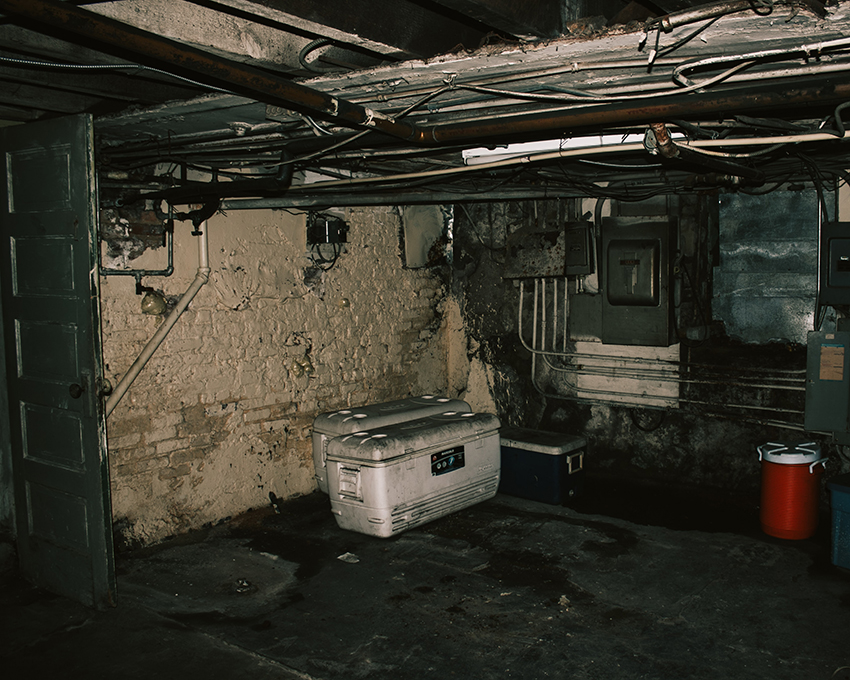
Don’t just assume the water is seeping up from a mysterious underground spring where a forgotten pirate treasure is buried (though wouldn’t that be nice?).
Look for signs: water stains on the walls, efflorescence (that powdery white mineral deposit that looks like your wall is shedding its skin), and of course, puddles.
Is the water seeping through cracks in the foundation? Is it coming up from the floor? Pinpointing the source is the first and most crucial step.
Once you’ve identified your foe, it’s time to choose your weapon.
Your Interior Arsenal: Sealing & Drainage
One of the most popular and effective interior waterproofing methods involves a combination of sealing and drainage. This is often the go-to solution for walls that are seeping water through small cracks or porous concrete. The process typically starts with a thorough cleaning of the walls to remove any paint, debris, or efflorescence. You need a clean slate for the products to adhere properly.
Next, you can apply a waterproof paint or sealant. These specialized coatings, often sold at your local hardware store, are designed to create a barrier on the interior surface of the foundation walls. Think of it as a super-tough, water-resistant skin for your basement. While this can be a fantastic first line of defense for minor dampness, it’s not a magical fix for major leaks.
If you’re seeing a steady stream of water running down a portion of your wall, paint alone will simply peel and fail under the pressure. For more significant water intrusion, you’ll need to go a step further and install an interior drainage system. This is a game-changer.
An interior drainage system, also known as a French drain or weeping tile system, can be installed along the perimeter of the basement floor. Dig a trench, put a perforated pipe inside, and cover it with gravel.
This system’s genius lies in its ability to capture water as it enters the basement from the walls and floors, and then channel it to a sump pump. The sump pump, a hero in its own right, then ejects the water safely away from your home. This method doesn’t stop the water from entering, but it brilliantly controls and redirects it, keeping your basement floor dry and your sanity intact. We highly recommend hiring a professional to set this all up.
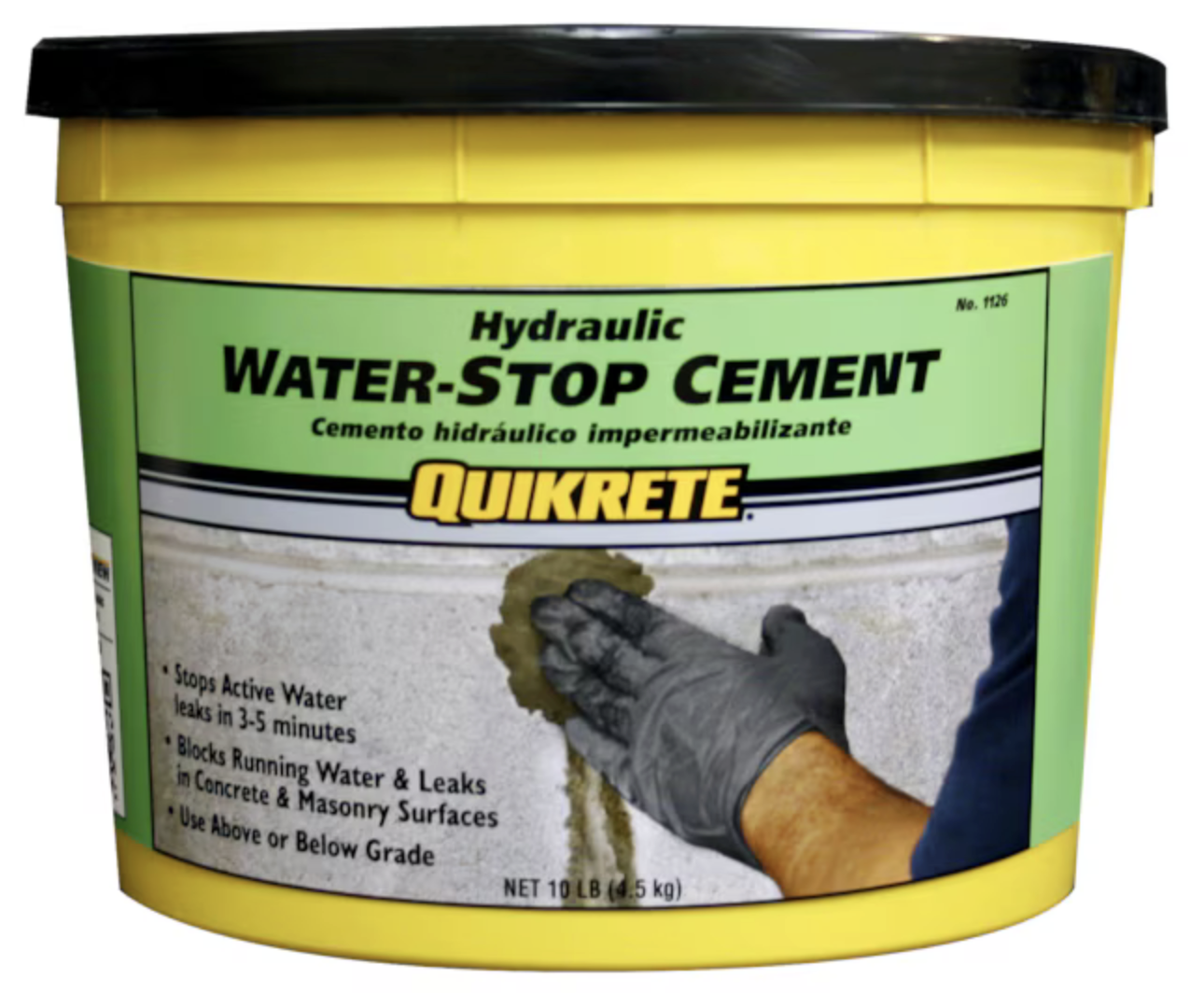
Photo by Lowe’s
Hydraulic Cements and Sealants
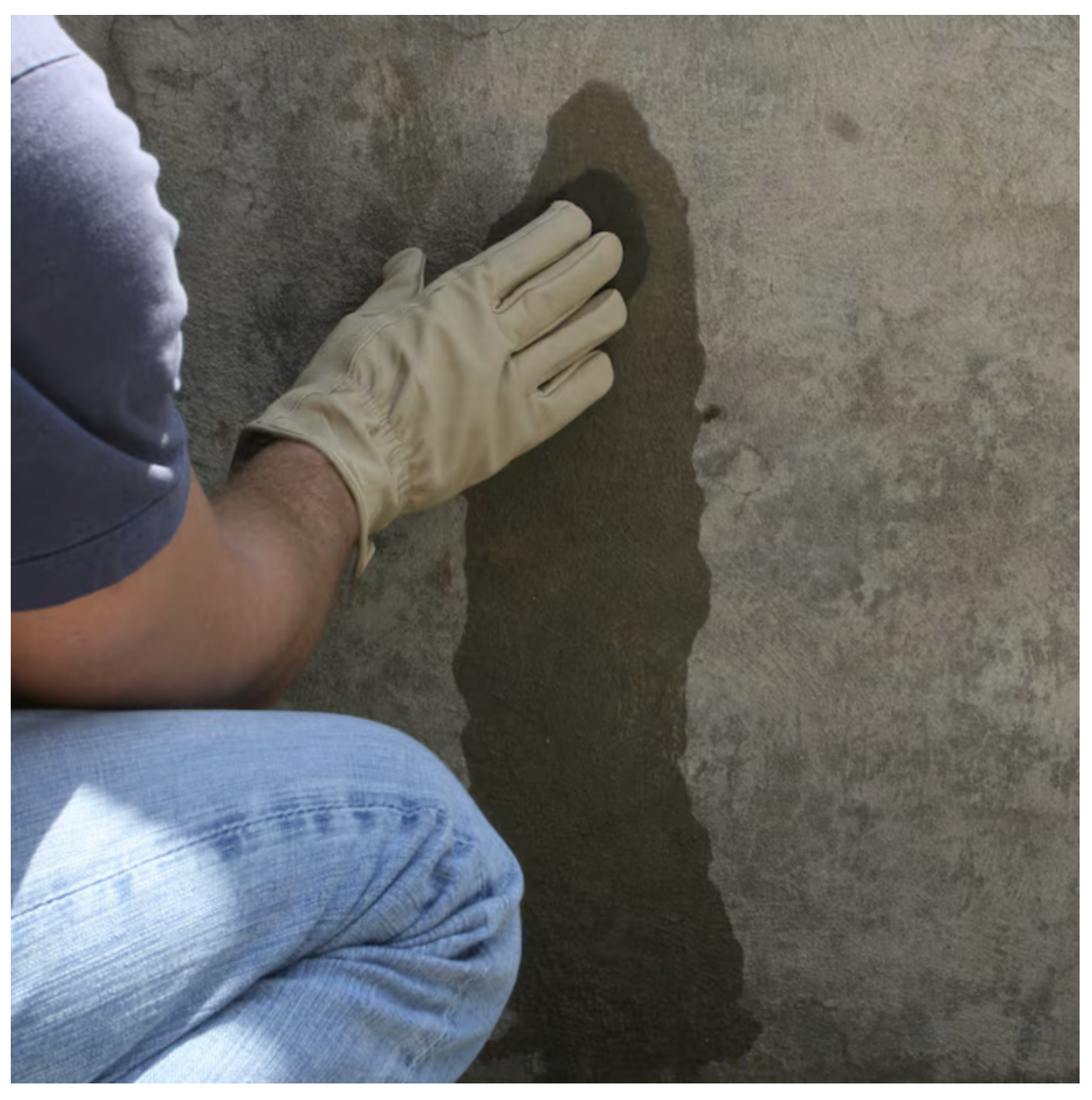
Another tool in your internal waterproofing arsenal is hydraulic cement. This isn’t your average concrete; it’s a fast-setting material specifically designed to stop active water leaks.
If you have a specific, gushing crack in your foundation wall, hydraulic cement can be a lifesaver.
It expands as it sets, creating a tight seal that even a determined drip will have a hard time getting past. Applying cement can feel like a high-stakes, race-against-the-clock kind of project, but the satisfaction of watching a leak disappear is unmatched.
Finally, don’t underestimate the power of simply sealing cracks. For smaller, hairline cracks in the floor or walls, using a quality concrete crack sealant can make a world of difference. It’s a bit like putting a band-aid on a scrape. It’s not for a gaping wound, but it’s perfect for preventing a small problem from becoming a big one.
Look Beyond the Walls
So, you’ve painted, drained, and sealed, and your basement is now a dry, usable space where you can finally set up that home gym without fear of your rowing machine floating away. Give yourself a high five!
But here’s the crucial point, the grand finale, the “but wait, there’s more!” of the waterproofing world.
While interior waterproofing is a brilliant and effective solution for many basement woes, it’s crucial to understand what it’s doing. It’s managing the water, not necessarily stopping its source. If you have a significant issue with exterior hydrostatic pressure – water building up against the outside of your foundation walls and actively pushing its way in – interior solutions are a powerful defense, but they aren’t addressing the root cause. This is where you have to look outside.
Poor grading, clogged gutters, or a failing exterior foundation drain can all be the true culprits. You’ve fixed the symptoms, but to ensure your basement stays dry for the long haul, you may need to address the source of the problem by improving your yard’s drainage and ensuring water is directed away from your home’s foundation. It’s the difference between patching a leaky roof and just putting buckets under the drips. Both will work, but only one is a real fix.
So, enjoy your dry basement, but keep an eye on the bigger picture. Consider asking a professional to assess your home’s foundation.
Buying or selling a home in WNC?
Avoid unpleasant surprises! Contact Asheville Home Inspector Peter Young before signing any contracts. Call (828) 808-4980, or click here to make an appointment.
