

As a home inspector, I’ve been places you couldn’t pay me enough to go if it wasn’t literally my job. I’ve shimmied into attics hotter than the surface of the sun and squeezed behind furnaces that haven’t been cleaned since the Carter administration. But nothing—and I mean nothing—competes with the crawlspace.
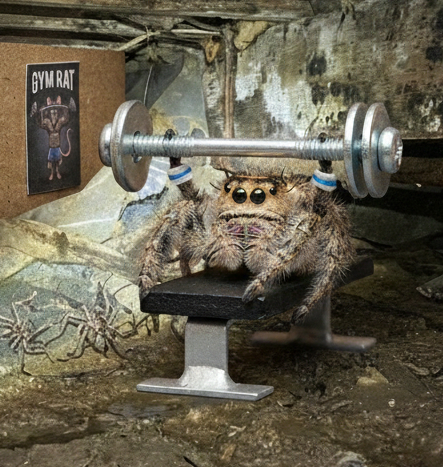
In the hierarchy of “Places Homeowners Don’t Want to Go,” the crawlspace is the undisputed champion. It’s dark, it’s cramped, and it’s usually home to an unsettling number of spiders that look surprisingly like weightlifters. Because it’s unpleasant, the crawlspace suffers from a severe case of “out of sight, out of mind.” You shut that little access door, walk away, and pretend the space below your subfloor doesn’t exist.
Here is an uncomfortable truth I have to deliver to clients often: Ignoring your crawlspace is like ignoring a cavity. It doesn’t get better on its own; it just gets more expensive and painful to fix.
In a crawlspace, the root of nearly all evil is moisture. A wet crawlspace is an active petri dish trying to consume your house from the bottom up.
If you’ve been blissfully ignoring that damp dungeon beneath your feet, here are a few reasons why you need to grab a flashlight (or better yet, HIRE ME to grab a flashlight) and find out what’s going on down there.
The Stack Effect (Why Your House Smells Like Dirt)
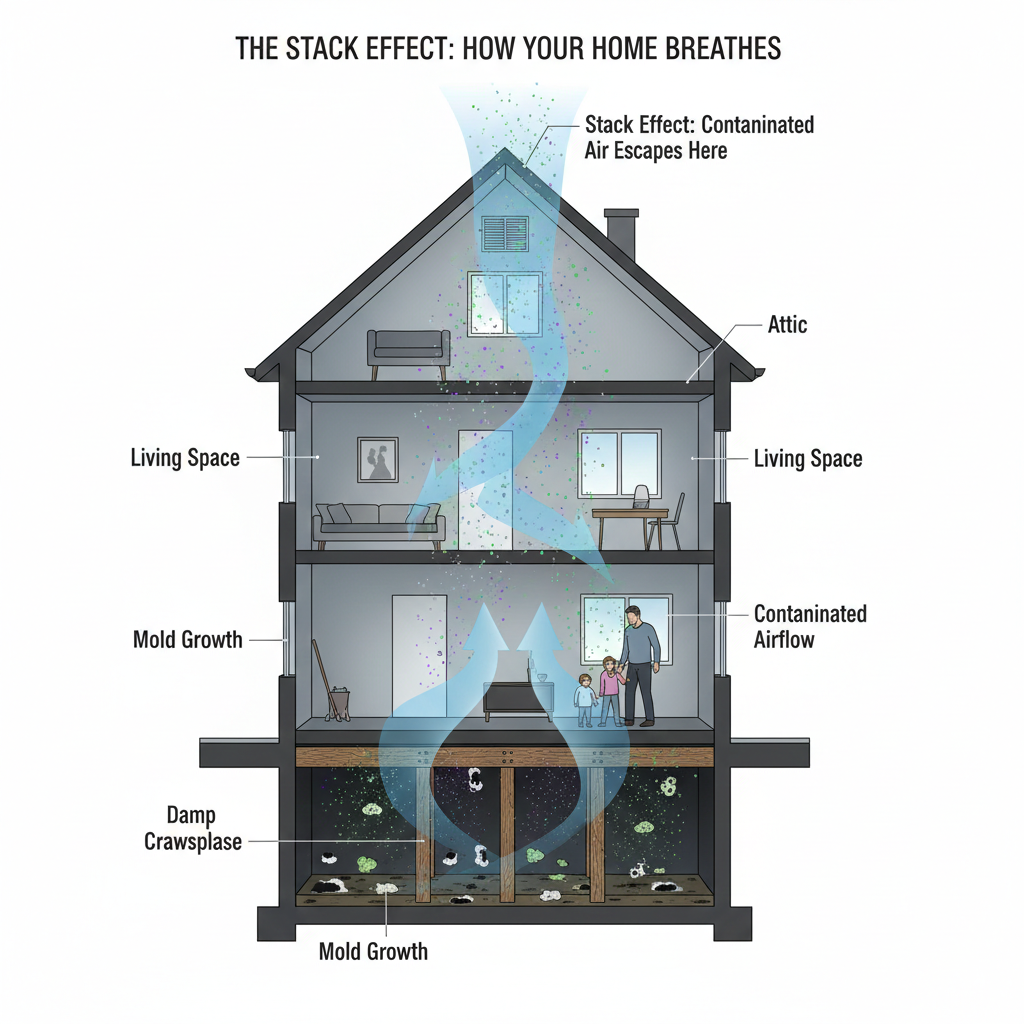
Before we get to the disasters, let’s have a quick science lesson. Your house operates like a giant chimney. Hot air rises and escapes out of your attic. To replace that air, your house sucks in new air from the lowest points—usually the crawlspace.
Building scientists call this the “stack effect.” I call it “inhaling the swamp.” Is your crawlspace damp, moldy, and smelling like a wet dog that rolled in mushrooms? Guess what? That’s the air you are breathing in your living room.
Up to 50% of the air on your first floor originated in your crawlspace. If that doesn’t gross you out, nothing will.
Problem #1: The Structural Buffet
Your house is likely made of wood. The wood used for framing, joists, and subflooring needs to be dry. When crawlspace humidity gets above 70%, that wood starts absorbing moisture like a sponge.
Do you know what loves damp wood? Rot fungus.
I’ve been in crawlspaces where I could stick my screwdriver handle-deep into a main support beam because it had the consistency of wet cardboard. When wood rots, it loses its structural integrity. This leads to sagging floors, doors that suddenly stick, and cracks in your drywall upstairs. In a worst-case scenario, the whole structure could come tumbling down like a house of cards!
If your kitchen floor has started to feel “bouncy” when you walk across it, it’s not because your home is morphing into a backyard party bounce house. It’s because the joists below are transforming into mulch.
Problem #2: The Pest Party
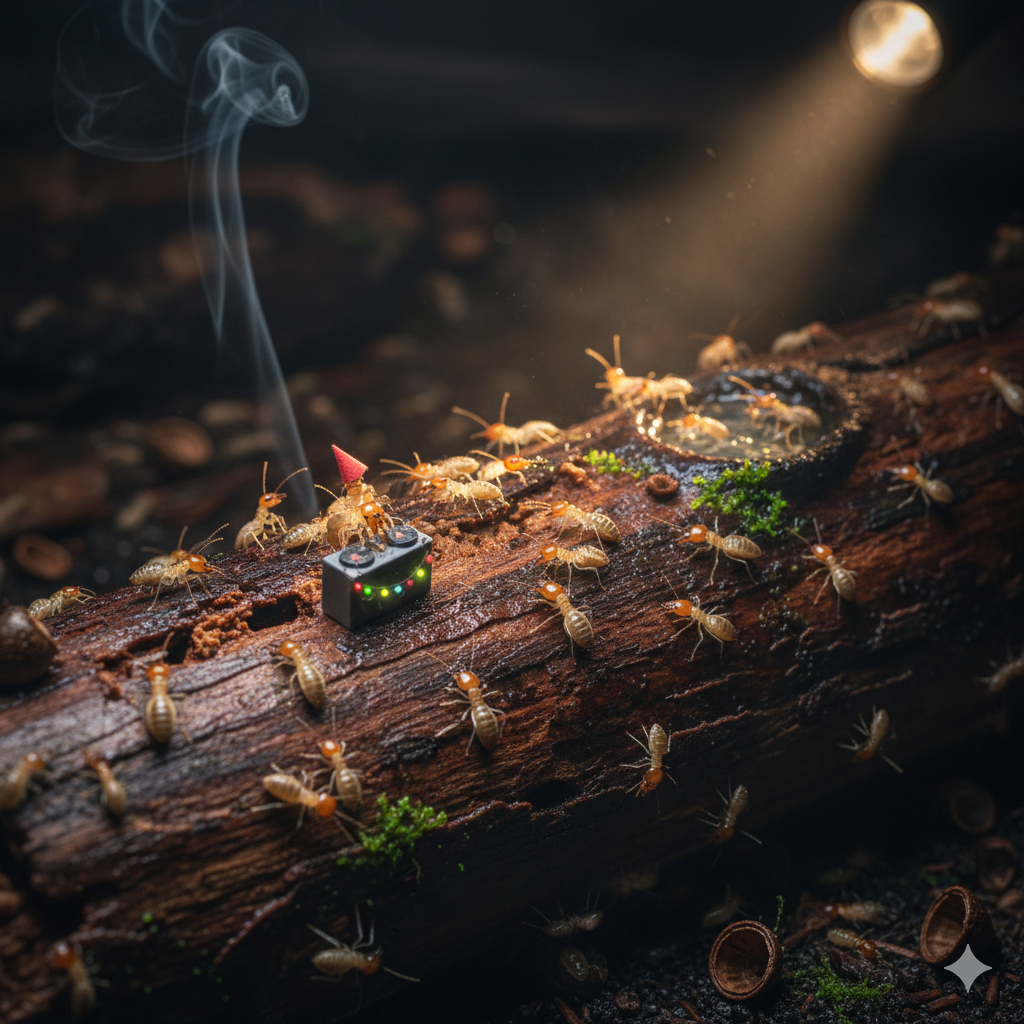
Water is life. Unfortunately, that applies to pests, too. A dry crawlspace is an inhospitable desert to bugs. A wet crawlspace is an all-inclusive resort.
Termites are attracted to moisture. They don’t just want wood; they want soft, damp wood that’s easy to chew.
A wet crawlspace is practically rolling out the red carpet for them.
Furthermore, high moisture attracts camel crickets (also known as sprickets). If you’ve never encountered one, they look like a spider and a shrimp had a terrifying baby that jumps directly at your face when startled. They love damp environments. Drying out the crawlspace is the only way to evict them permanently.
Problem #3: The Mold Explosion
Mold is the four-letter word of real estate. Lenders consider mold a major risk to the property’s value and structural integrity, often requiring professional remediation and a clean inspection report before final loan approval.
Mold needs three things to thrive: food (your wood framing), appropriate temperature (crawlspaces are warm and snuggly), and moisture.
If you have a damp crawlspace, you almost certainly have mold growth. It might look white and fuzzy, or black and patchy on the floor joists.
Remember the stack effect? Those mold spores don’t stay downstairs. They hitch a ride on rising air currents and enter your living space, potentially aggravating allergies and asthma. If your house has a persistent, musty “old basement” smell that no amount of scented candles can mask, that eau de stank is likely coming from under the house.
Ignorance Is NOT bliss! Stop Ignoring It.
Look, I get it. You don’t want to go down there. It’s gross.
But if you do start to notice musty smells, cupping hardwood floors, high indoor humidity, or a sudden increase in creepy-crawlies, take heed. “Just open the vents in the summer” is actually terrible advice. In humid climates it brings more wet air in to condense on cool surfaces.
So, it’s time to move from “everything is ruined” to “here’s how we save the house.” In the world of home inspections, we generally look at a hierarchy of fixes depending on whether you have a minor dampness issue or a full-blown subterranean swamp.
Here is a breakdown of how to actually dry out the dungeon.
1. The Vapor Barrier (The “Must-Have” Minimum)
Think of a vapor barrier as a raincoat for your crawlspace floor. Even if the ground looks dry, the earth is constantly “exhaling” moisture. A vapor barrier, usually a heavy-duty plastic (polyethylene) sheeting, is laid over the soil to stop that moisture from rising.
- Standard Grade: Most builders throw down a 6-mil plastic sheet. It’s better than nothing, but it’s thin and tears if you so much as look at it funny.
- Pro Grade: We recommend 10-mil to 20-mil reinforced plastic. It’s tough enough to crawl on without ripping, and it stays in place.
2. Diversion and Drainage
If you have actual standing water after a rainstorm, a plastic sheet isn’t the answer. You’ll just have a very expensive indoor swimming pool under your house.
- Gutters and Downspouts: I can’t tell you how many “wet crawlspace” issues are actually just clogged gutter issues. If your downspouts dump water right next to the foundation, gravity will do the rest.
- Sump Pumps: If the water table is high or the terrain forces water toward your house, you need a sump pump. It’s a bucket in the ground with a pump that says, “Not today, water,” and flings it far away from the foundation.
Crawlspace Encapsulation (The Gold Standard)
This is the nuclear option, and it’s arguably the best thing you can do for your home’s health. Instead of just covering the floor, you seal the entire space like a Tupperware container.
What’s involved:
- Sealing the Vents: Close off those foundation vents that allow humid summer air to enter.
- Wall Liners: The heavy plastic doesn’t just sit on the floor; it’s taped and sealed several feet up the foundation walls.
- Insulation: Replacing old, fiberglass “pink stuff” (which acts like a moldy sponge) with rigid foam board on the walls.
Pro Tip: Never encapsulate your crawlspace without addressing drainage first. If you trap water behind your beautiful new plastic liners, you’re just creating a giant, hidden mold bag.
Dedicated Dehumidification
Once the space is sealed, you might need to manage the air. In that case, you can’t just use a $200 dehumidifier from a big-box store; it’ll burn out in six months or sooner trying to keep up. You need a commercial-grade, low-temperature dehumidifier specifically designed for crawlspaces. These units are costly, but they can pull gallons of water out of the air daily and drain automatically so you never have to empty a bucket.
Before you panic and buy a crate of industrial fans, get your crawlspace inspected. Let us brave the spider-gymnasts and assess the moisture levels. Your home’s foundation (and your lungs) will thank you.
Buying Or Selling A Home in WNC?
Avoid unpleasant surprises! Contact Asheville Home Inspector Peter Young before signing any contracts. Call (828) 808-4980, or click here to make an appointment.
