
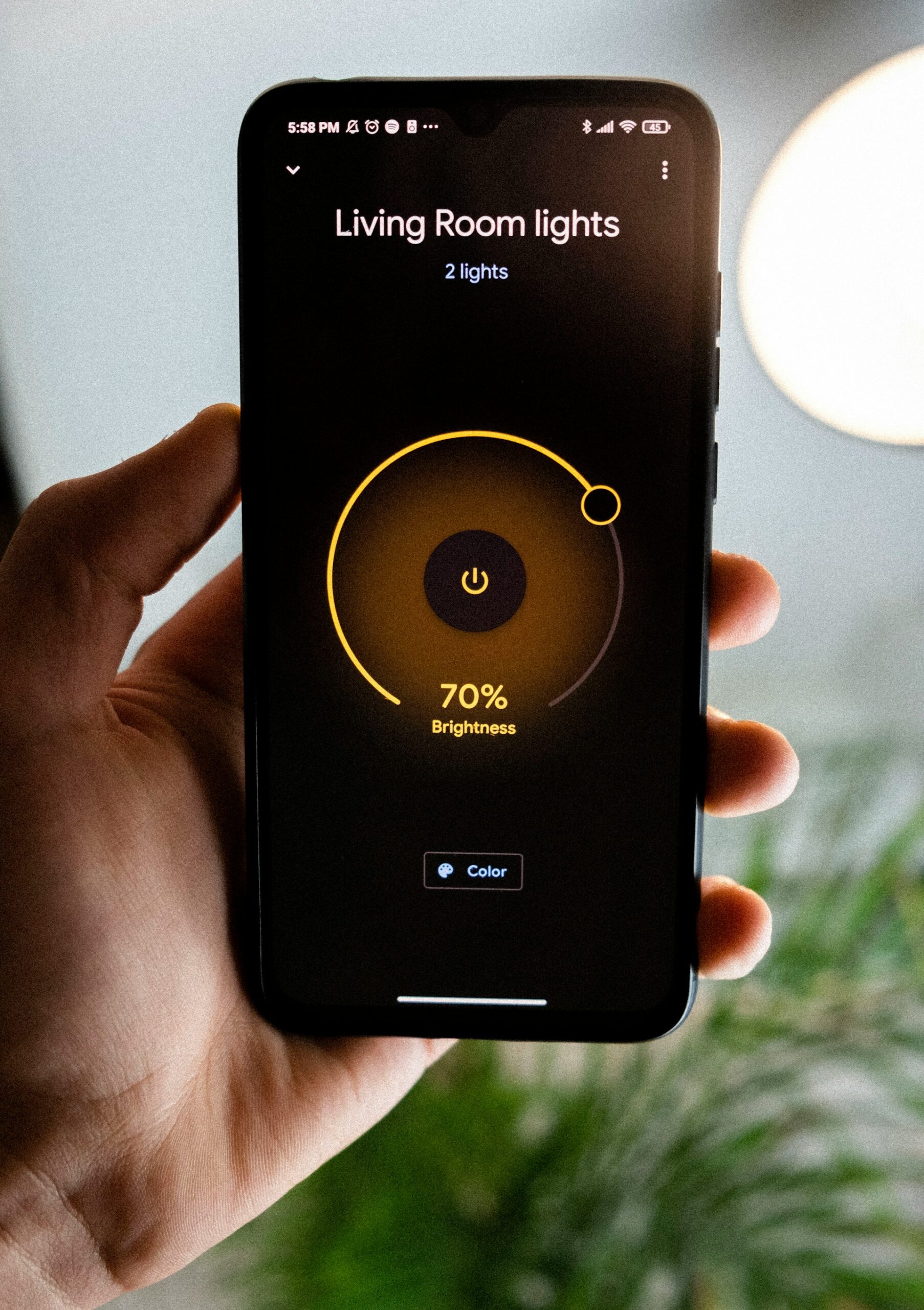
Photo by Moritz Kindler on Unsplash
The real estate market is constantly evolving, and with the rise of smart home technology, a new layer of complexity and opportunity has been added to the home buying and selling process. From smart thermostats that seemingly have opinions on your preferred temperature to connected security cameras that might just catch the cat doing embarrassing things, these devices offer convenience, efficiency, and security.
But how do these interconnected systems impact the traditional home inspection? Can a standard visual inspection truly assess the functionality and potential existential crises of a smart refrigerator?
The answer is a nuanced one. While smart technology offers potential benefits, it may also present challenges for home inspectors and prospective buyers.
NOTE: Smart home devices are currently outside the scope of a North Carolina home inspection. There are no situations of liability involving these devices in our state at this time.
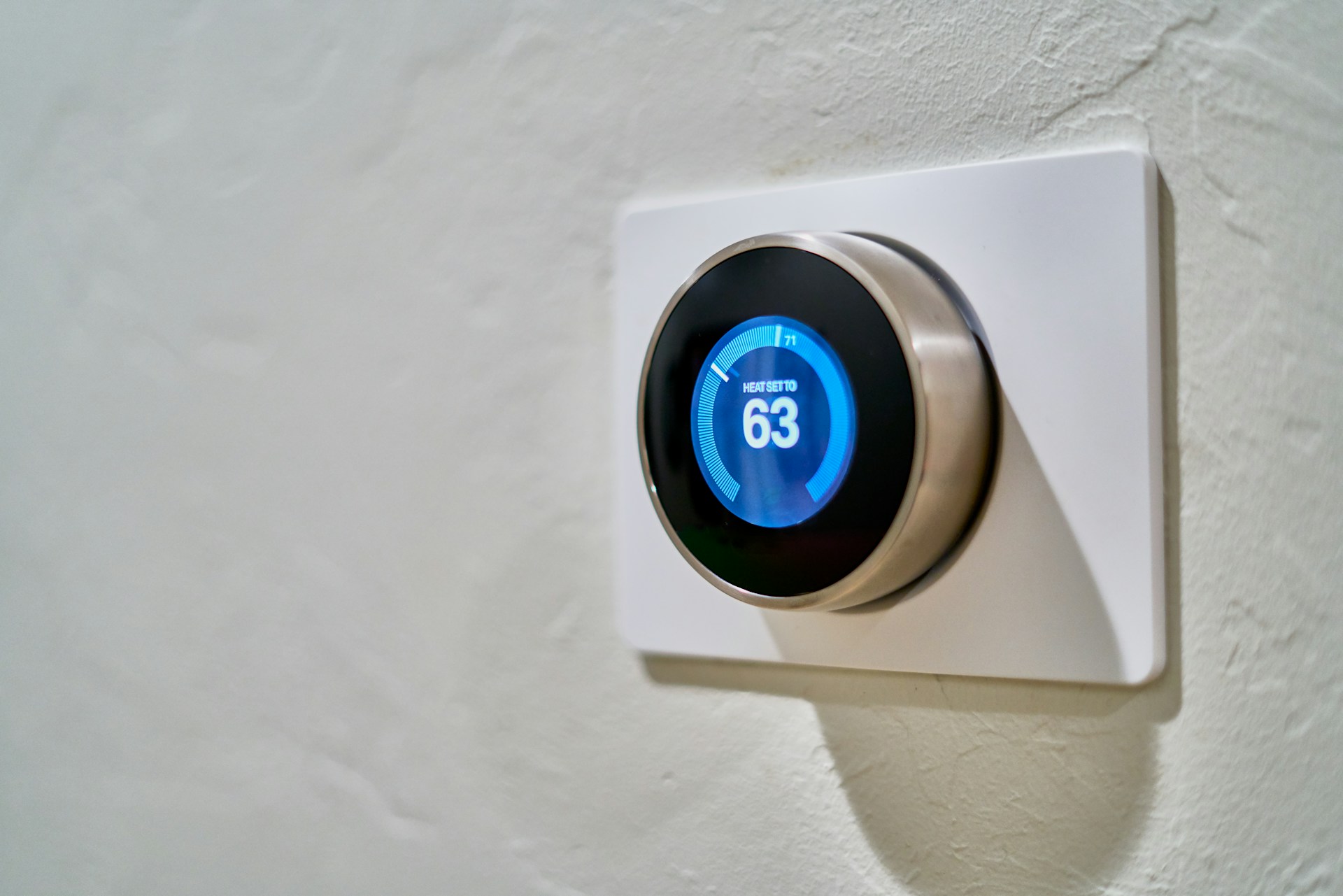
Photo by Dan LeFebvre on Unsplash
Potential benefits: Enhanced transparency and early detection
In some ways, smart home devices can actually enhance the inspection process by providing greater transparency.
Think of the data these devices collect as the previous owner’s electronic confession booth:
- Smart Thermostats: These often track energy usage and can provide historical data, potentially snitching on inefficiencies in the HVAC system. Inspectors could access this data to gain a better understanding of the system’s performance.
- Smart Leak Detectors: Placed in vulnerable areas, these tiny electronic lifeguards can detect even small water leaks and alert homeowners before significant damage occurs, potentially preventing a surprise indoor swimming pool in your basement.
- Connected Detectors: Smart smoke and carbon monoxide detectors may have logs of past alarms. While an inspector will still physically test these, the historical data could offer insights into any recurring issues that triggered the alarm.
The challenges: Assessing functionality and integration
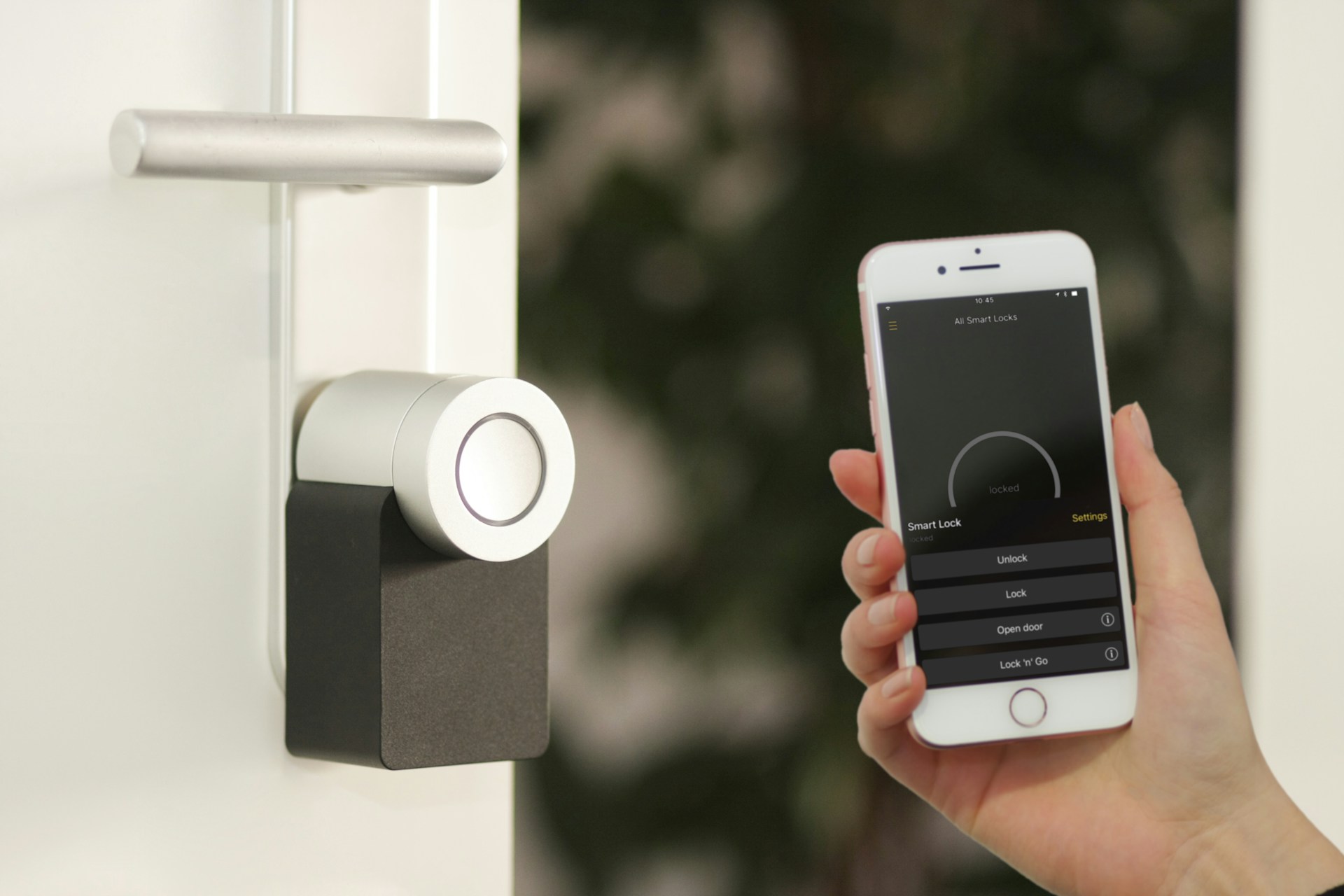
Photo by Sebastian Scholz (Nuki) on Unsplash
Despite these benefits, smart home technology might present challenges for home inspectors. Suddenly they might feel as if they need a computer science degree alongside their trusty flashlight:
- Complexity and Compatibility: Smart home ecosystems can be a techie Tower of Babel, with devices from different manufacturers communicating through various protocols. Determining the compatibility and proper functioning of these interconnected systems requires specialized knowledge that traditional inspectors may not possess.
- Software and Connectivity Issues: Unlike physical components, smart devices rely on software and network connectivity, which can be as reliable as that free public Wi-Fi you tried to use last week. An inspector can visually assess a pipe for leaks, but assessing the stability of a Wi-Fi network that oversees these smart tools may rest outside their traditional expertise.
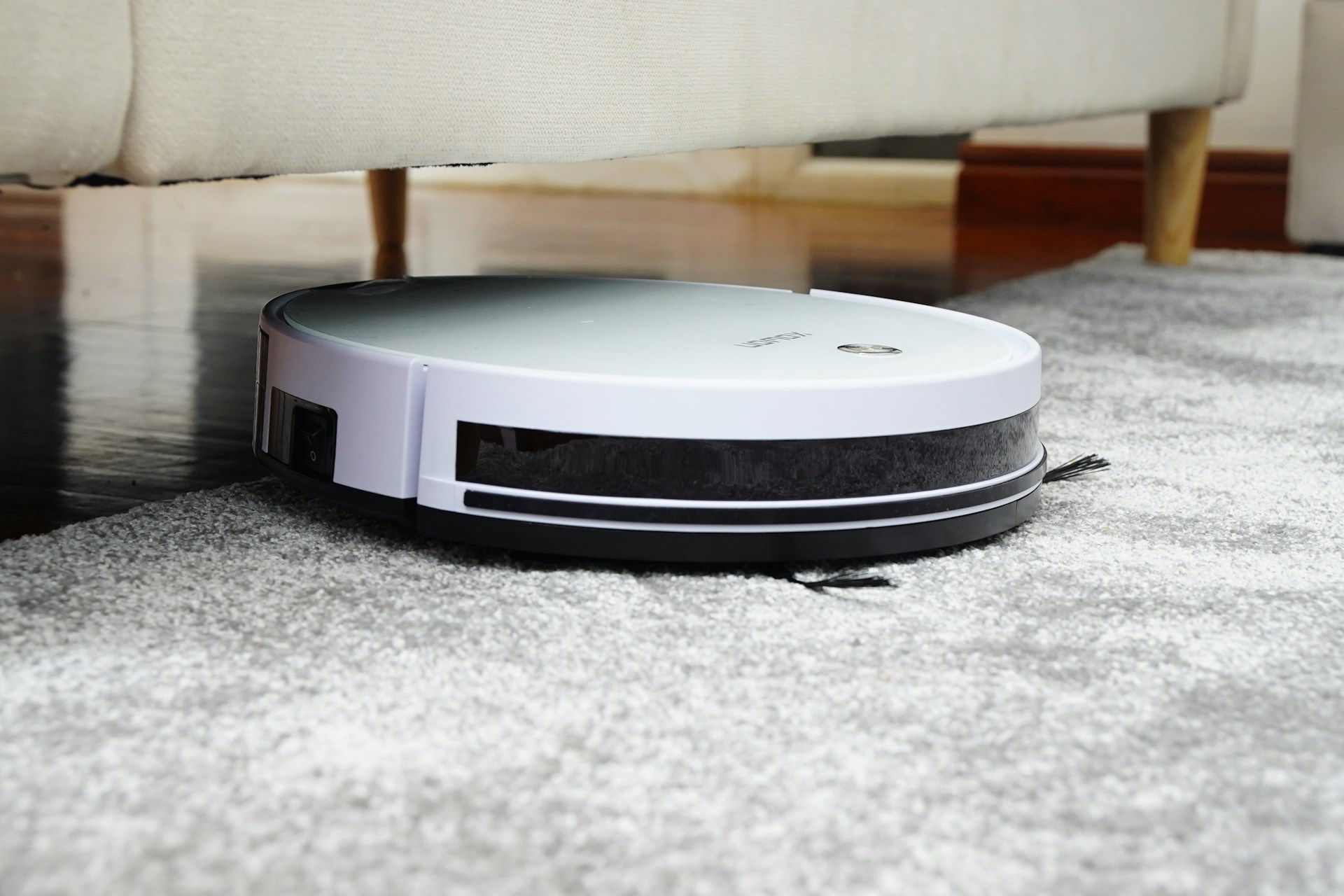
- Lack of Standardization: The smart home industry lacks universal standards. It’s like trying to compare apples to oranges to sentient robotic vacuum cleaners. Different devices have different features, functionalities, and levels of integration.
- Defining “Functional”: What constitutes a “functional” smart home device in the context of a home inspection? Is it simply that the device powers on, or does it require full integration and proper functionality of all its features, including the ability to order more milk when you’re out?
- Liability Issues: If an inspector incorrectly assesses a smart home device or fails to identify a potential issue (like the smart lock that only unlocks sometimes), the question of liability becomes complicated. The traditional scope of an inspection typically covers physical defects; smart technology adds a new layer of potential risk.
Adapting to the smart home era: the need for specialization
To effectively address the impact of smart home technology on home inspections, several adaptations are needed:
- Specialized Inspectors: Just as there are specialists for HVAC or plumbing, we may see the emergence of certified smart home inspectors who possess the know-how and tools to evaluate these systems. They’ll probably carry laptops along with their clipboards.
- Clear Disclosure Requirements: Sellers should be required to provide detailed information about the smart devices included in the sale, including makes, models, and, crucially, any relevant passwords or access information. This helps avoid the awkward “can you show me how to turn on this… glowing orb?” conversation.
- Updated Inspection Standards: Professional home inspection associations may need to update their standards of practice to address smart home technology, outlining what aspects should be inspected (within reasonable tech-savviness) and the limitations of a standard visual assessment.
- Buyer Education: Buyers need to understand that a traditional home inspection may not fully evaluate the long-term reliability of smart devices. They may need to consider hiring specialized inspectors or conducting their own due diligence, perhaps by asking the seller if the devices have ever staged a revolt against the human inhabitants.
Conclusion: A Collaborative Approach
Smart home technology is undoubtedly changing the landscape of residential living, and its impact on home inspections is undeniable. Moving forward, a collaborative approach involving home inspection professionals, real estate agents, technology providers, and policymakers will be crucial. This collaboration needs to develop clear standards, protocols, and educational resources that ensure buyers can make informed decisions in an increasingly connected world.
The future of home inspections will likely involve a blend of traditional methods and specialized expertise to navigate the intricacies (and occasional quirks) of the smart home era. And perhaps, just perhaps, every smart home will come with a user manual written in plain language, explaining exactly how to stop the robot vacuum from eating your socks.
Buying or selling a home in WNC?
Avoid unpleasant surprises! Contact Asheville Home Inspector Peter Young before signing any contracts. Call (828) 808-4980, or click here to make an appointment.
